






What's Happening?
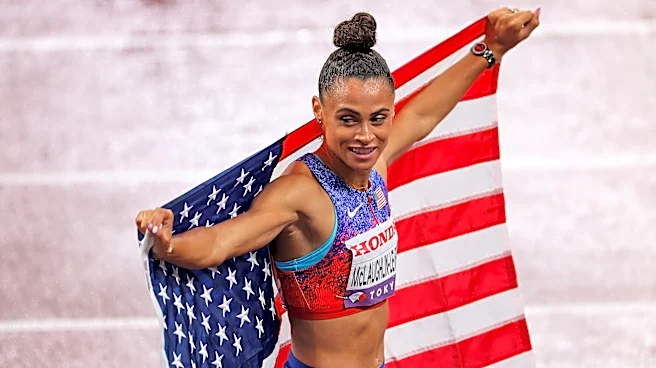
The landscape of women’s sports is undergoing significant transformation with the expansion of the Name, Image, and Likeness (NIL) era, allowing college athletes to profit from endorsements. This shift has redefined the role of sports agents, who now
focus on brand strategy and long-term career planning. Tracy Hughes, a prominent figure in athlete representation, emphasizes the importance of aligning endorsement opportunities with athletes' personal brands and career goals. The NIL rules, adopted by the NCAA in 2021, have created new financial pathways for women athletes, making representation more complex and strategic.
Why It's Important?
The changes in athlete representation reflect a broader shift in the sports economy, where influence is increasingly determined by branding and strategic positioning rather than just athletic performance. This evolution is particularly significant for women’s sports, which have historically faced disparities in pay and resources. The increased focus on brand strategy and long-term planning can help bridge these gaps, providing women athletes with more opportunities to capitalize on their visibility and influence. As the NIL era continues to evolve, it could lead to greater investment in women’s sports and more equitable treatment of female athletes.
What's Next?
As the NIL era progresses, sports agents and athletes will need to navigate an increasingly complex landscape of endorsements and branding opportunities. This may involve more comprehensive education for athletes on deal-making and brand strategy. The growing sophistication of athlete representation could lead to more robust support systems for women athletes, helping them maximize their career potential. Additionally, the increased attention on women’s sports may drive further investment and media coverage, contributing to a more equitable sports industry.