


What's Happening?
Iron-ore futures prices have remained stable as investors weigh the impact of rising energy costs against high portside stocks in China. On the Dalian Commodity Exchange, the most-traded iron ore contract closed slightly up at 813 yuan per metric ton.
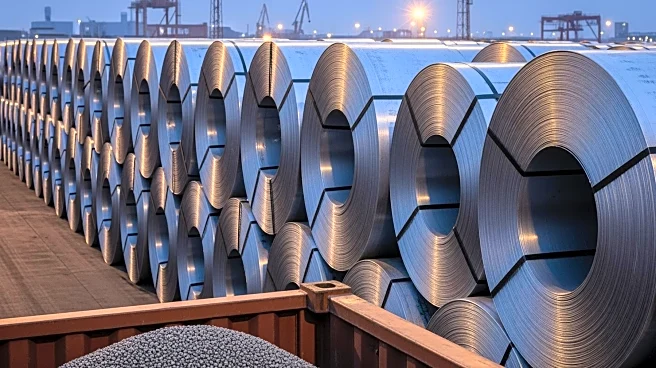
Similarly, the benchmark May iron ore on the Singapore Exchange saw a minor increase. The stability in prices is attributed to the rising costs driven by surging energy prices due to the Middle East conflict. Despite this, high iron ore inventories at Chinese ports, which recently hit a record high, are limiting potential price increases. Additionally, the market is closely watching the ongoing negotiations between China's state iron ore buyer and BHP, the world's third-largest supplier, which could influence price volatility.
Why It's Important?
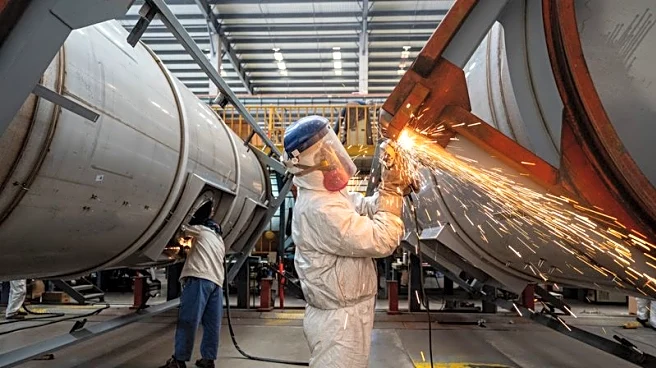
The stability of iron-ore prices amidst rising fuel costs and high inventories is significant for the global steel industry, particularly in the U.S., which relies on stable raw material prices for cost-effective production. The ongoing negotiations between China and BHP could have broader implications for global supply chains and pricing strategies. Rising energy costs could increase production expenses for U.S. steel manufacturers, potentially affecting their competitiveness. Additionally, any disruptions in supply from major producers like Australia could lead to price fluctuations, impacting industries reliant on steel, such as construction and automotive sectors.
What's Next?
The market will continue to monitor the negotiations between China's state iron ore buyer and BHP, as any resolution could impact global supply and pricing. Additionally, the potential for further increases in energy costs could pressure production costs, prompting U.S. manufacturers to seek alternative strategies to mitigate expenses. Stakeholders will also watch for any changes in Chinese steel demand, which could influence global iron ore prices and affect U.S. market dynamics.