






What's Happening?
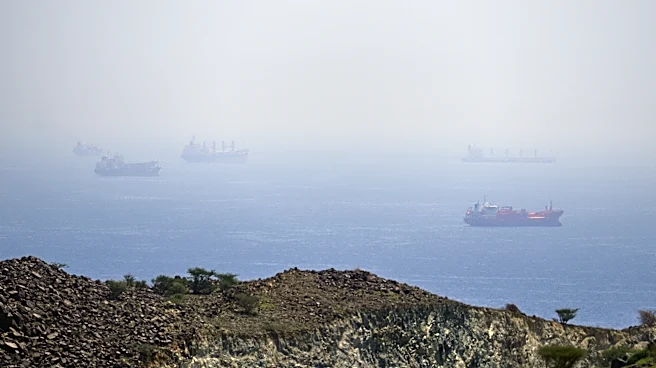
A global shortage of naphtha, a key petrochemical used in plastic production, is causing significant disruptions in supply chains, particularly affecting packaging materials. The crisis has been exacerbated by geopolitical tensions in the Middle East,
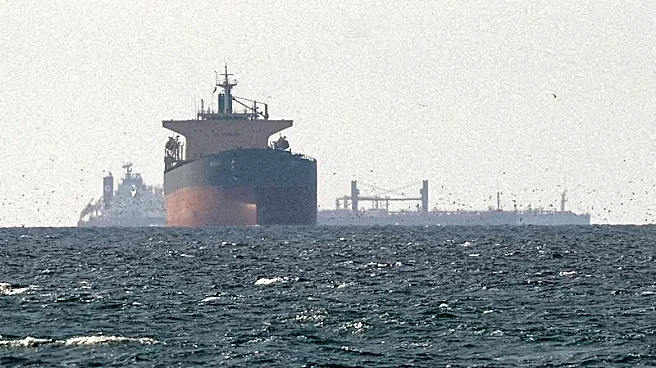
leading to the closure of the Strait of Hormuz, a critical chokepoint for oil and petrochemical shipments. This has resulted in increased prices and supply instability, impacting industries reliant on plastic packaging. In Asia, companies like South Korea's LG Chem have had to shut down production facilities temporarily and seek alternative sources, such as importing naphtha from Russia. Japanese firms are also facing production cuts due to their reliance on Middle Eastern supplies. The ripple effects are being felt globally, including in the United States, where rising costs are expected to affect consumer prices.
Why It's Important?
The naphtha shortage highlights the vulnerability of global supply chains to geopolitical events, particularly in regions critical to petrochemical production. As naphtha is essential for producing plastics used in various industries, the shortage could lead to increased costs for manufacturers and consumers alike. In the U.S., while domestic shale production offers some buffer, the interconnected nature of global markets means that price increases abroad can still impact domestic prices. The situation underscores the need for companies to diversify their supply sources and build flexibility into their procurement strategies to mitigate risks associated with geopolitical disruptions.
What's Next?
Companies are likely to explore alternative sourcing strategies and invest in supplier diversification to mitigate the impact of such disruptions in the future. The U.S. may play a role in alleviating some of the global supply constraints through increased liquefied petroleum gas output. However, the ongoing geopolitical tensions in the Middle East could continue to pose challenges, potentially leading to further price increases and supply chain adjustments. Businesses will need to remain vigilant and adaptable to navigate the evolving landscape.
Beyond the Headlines
The current crisis serves as a reminder of the interconnectedness of global supply chains and the importance of geopolitical stability in maintaining economic equilibrium. It also highlights the need for industries to consider geopolitical risks as part of their strategic planning, particularly in sectors heavily reliant on specific raw materials. The situation may prompt a reevaluation of packaging strategies, encouraging a shift towards more sustainable and locally sourced materials to reduce dependency on volatile international markets.