


What's Happening?
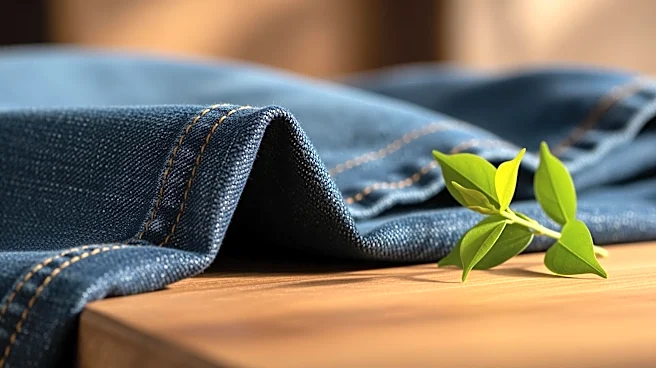
Calik Denim is enhancing its Fall/Winter 2027-2028 collection with bio-based elastane and chemicals, focusing on sustainability and product longevity. The collection emphasizes material transformation, process optimization, and durability. Calik's Bio
Form concept reduces reliance on fossil-based materials while maintaining denim's mechanical performance. The company also addresses denim's shape retention issues with True Fit technology, extending garment usability. Calik's Dyepro technology, a water-free dyeing process, supports a responsible dyeing ecosystem by eliminating chemical waste. The collection features new colors like Atollo Blue and Sencha Blue, reflecting a shift towards nuanced color storytelling.
Why It's Important?
Calik Denim's innovations highlight a growing trend towards sustainable fashion, meeting market demands for eco-friendly and durable products. By integrating bio-based materials and water-free dyeing processes, Calik reduces environmental impact and aligns with consumer expectations for responsible production. These advancements could influence industry standards, encouraging other manufacturers to adopt similar sustainable practices. Calik's focus on extending product lifespan addresses overconsumption, promoting a shift towards investment dressing. This approach positions Calik as a leader in sustainable denim, appealing to brands seeking innovative and eco-conscious solutions.
What's Next?
Calik Denim's sustainable innovations are likely to attract attention from brands prioritizing eco-friendly materials. The company's focus on bio-based inputs and water-free dyeing could lead to further advancements in sustainable fashion technology. As consumer demand for responsible production grows, Calik may expand its sustainable offerings and explore new markets. The success of the Fall/Winter 2027-2028 collection could set a precedent for future collections, encouraging continued innovation in sustainable denim. Calik's efforts may also inspire industry-wide changes, promoting a more sustainable approach to fashion production.