






What's Happening?
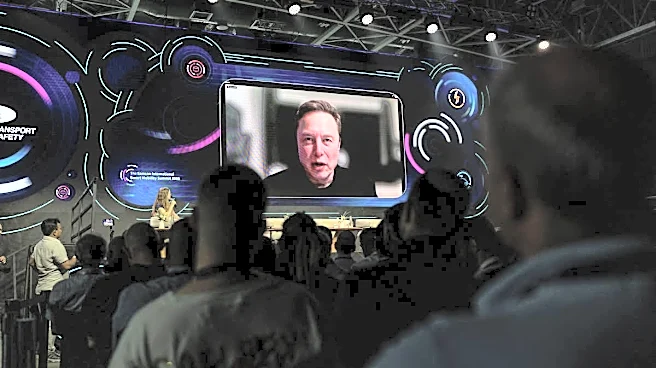
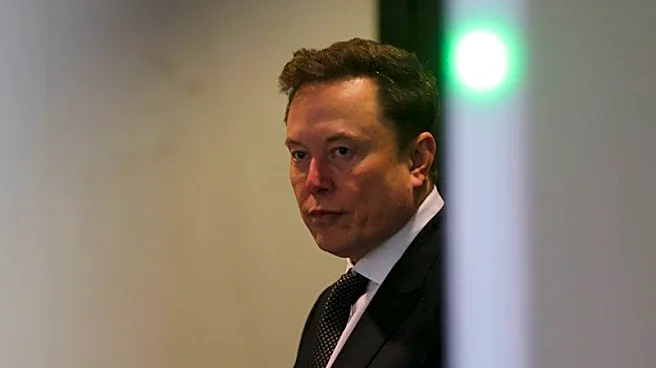
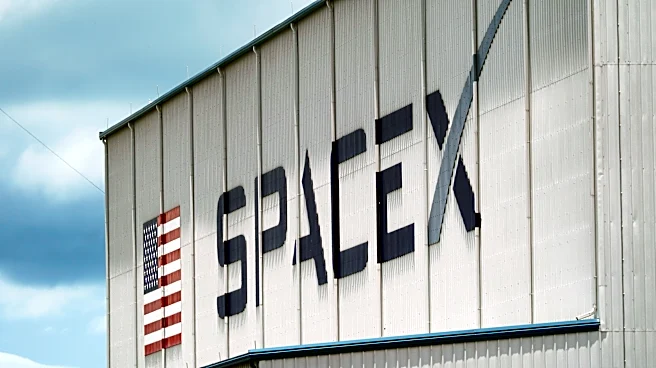
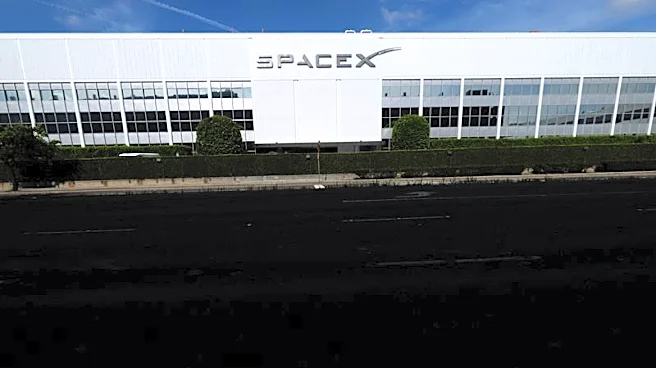
SpaceX's recent S-1 filing, a document required for companies entering public markets, highlights several risk factors associated with its operations. A significant portion of these risks is tied to Elon Musk, the company's CEO and chief technology officer.
The filing underscores Musk's involvement in other ventures, such as Tesla and Neuralink, and his past role as a senior advisor to President Trump, which could divert his attention from SpaceX. Additionally, the document notes the absence of 'key person insurance' on Musk, emphasizing the potential disruption his departure could cause. SpaceX's close ties with the U.S. government are also noted as a double-edged sword. While beneficial, any deterioration in this relationship could negatively impact the company's revenue, as government contracts constitute a significant portion of its business. The filing also warns of potential international repercussions, as SpaceX's perceived alignment with the U.S. government might deter foreign clients.
Why It's Important?
The disclosure of these risk factors is crucial for potential investors and stakeholders, as it highlights the dependency of SpaceX on Elon Musk's leadership and the company's relationship with the U.S. government. Musk's involvement in multiple high-profile ventures raises concerns about his ability to focus on SpaceX, potentially affecting its strategic direction and operational success. Furthermore, the company's reliance on government contracts means that any political shifts or policy changes could significantly impact its financial stability. The mention of international risks, such as the Brazilian asset seizure incident, underscores the complexities of operating in a global market where political and legal challenges can arise unexpectedly. These factors collectively emphasize the need for SpaceX to manage its leadership and government relations carefully to maintain its growth trajectory.
What's Next?
As SpaceX prepares for its public market entry, the company will need to address these risk factors to reassure investors. This may involve strengthening its management team to reduce dependency on Musk and diversifying its client base to mitigate the impact of potential government contract losses. Additionally, SpaceX might need to enhance its international strategy to navigate geopolitical challenges effectively. Stakeholders will be closely monitoring how the company manages these risks, particularly in light of Musk's high-profile activities and the evolving political landscape. The outcome of these efforts will likely influence investor confidence and the company's valuation in the public markets.
Beyond the Headlines
The broader implications of SpaceX's risk factors extend beyond immediate financial concerns. The company's reliance on Musk highlights the challenges of founder-led organizations, where the leader's personal brand and activities can significantly influence business operations. This situation also raises questions about corporate governance and the importance of having robust succession plans in place. Furthermore, SpaceX's ties to the U.S. government and the potential for international backlash reflect the intricate balance companies must maintain between domestic and global interests. As SpaceX navigates these complexities, its approach could serve as a case study for other tech companies facing similar challenges.