

What's Happening?
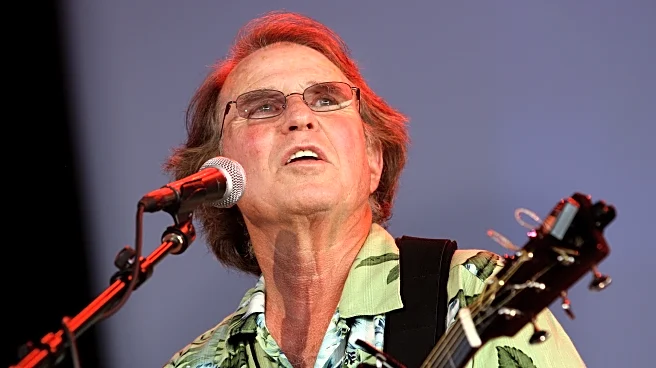
Country Joe McDonald, a prominent figure in the psychedelic folk music scene and co-founder of the band Country Joe & The Fish, has died at the age of 84. McDonald, known for his anti-war stance and iconic performances at events like Woodstock, passed
away on a Saturday evening, as reported by TMZ. The cause of death has not been disclosed. Born in Washington DC in 1942, McDonald was named after Joseph Stalin by his Communist parents, who later renounced the ideology. He grew up in California, where he developed his musical talents, eventually moving to Berkeley in the 1960s. There, he became involved in the Free Speech Movement and anti-Vietnam War protests. McDonald co-founded Country Joe & The Fish with Barry 'The Fish' Melton, releasing their debut album in 1967. The band was known for their protest song 'I-Feel-Like-I'm-Fixin-to-Die Rag' and performed at significant cultural events of the era. After the band disbanded in 1970, McDonald continued his music career and also ventured into acting.
Why It's Important?
Country Joe McDonald's death marks the loss of a significant cultural icon from the 1960s counterculture movement. His contributions to music and activism during a turbulent period in American history highlight the enduring impact of art as a form of protest and social commentary. McDonald's work with Country Joe & The Fish provided a soundtrack to the anti-war movement, influencing both contemporaries and future generations of musicians and activists. His performances at events like Woodstock symbolize a pivotal era of change and resistance in the U.S., reflecting broader societal shifts towards peace and civil rights. McDonald's legacy continues to resonate in today's cultural and political landscapes, reminding us of the power of music to inspire and mobilize change.
What's Next?
While McDonald has passed, his influence is likely to persist through his music and the ongoing appreciation of 1960s counterculture. Tributes and retrospectives on his life and work may emerge, celebrating his contributions to music and activism. Fans and historians may revisit his discography and performances, potentially leading to renewed interest in his work. Additionally, his passing may inspire discussions on the role of music in social movements, drawing parallels between past and present struggles for justice and equality.
Beyond the Headlines
McDonald's life and career offer insights into the intersection of art and activism. His music not only entertained but also challenged societal norms and government policies, particularly during the Vietnam War era. This highlights the ethical dimension of artists using their platforms to address political issues. McDonald's journey from a military background to a leading anti-war voice underscores the complex narratives within the counterculture movement. His story also reflects broader cultural shifts, as artists increasingly embraced roles as social commentators and change agents.