


What's Happening?
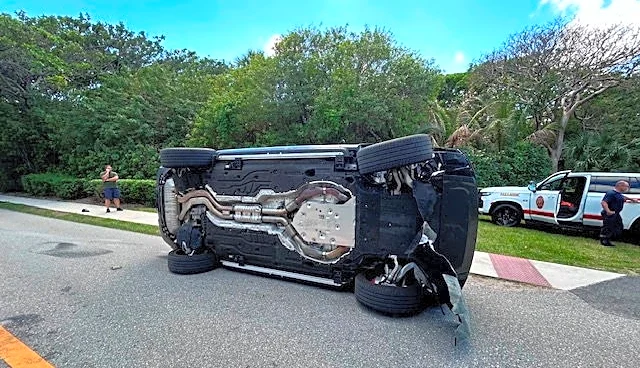
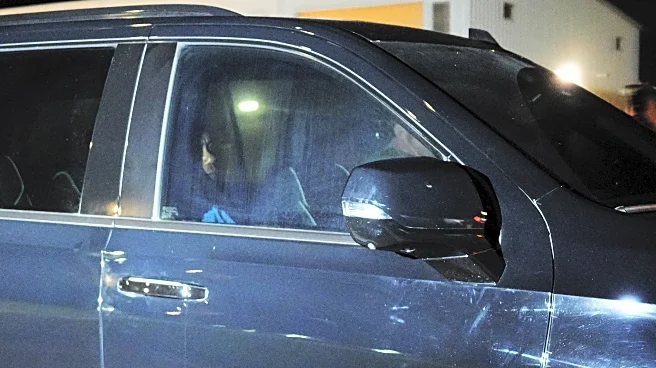
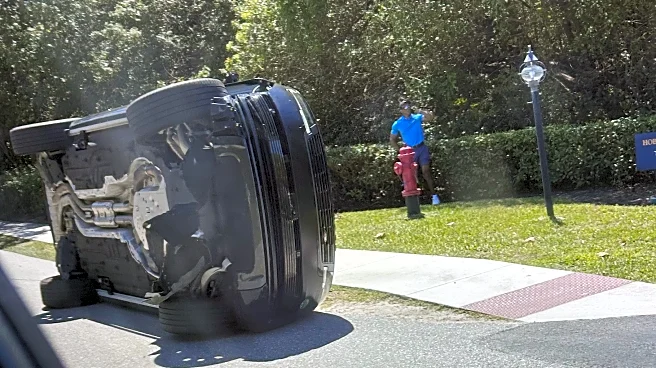
Tiger Woods, the renowned golf player, recently faced legal troubles following an arrest for driving under the influence (DUI) in Jupiter, Florida. The incident occurred when Woods allegedly drove at high speed and clipped the back of a pickup truck hauling
a trailer. Although he was not found to be intoxicated, Woods failed a field sobriety test and refused to provide a urine sample, leading to his arrest. This event has sparked a unique form of support from his fans, who were seen wearing T-shirts with Woods' mug shot and the hashtag '#FreeTiger' during the Texas Children's Houston Open golf tournament. This public display of support highlights the strong fan base that Woods maintains despite his legal issues.
Why It's Important?
The incident involving Tiger Woods is significant as it underscores the ongoing challenges faced by high-profile athletes in maintaining their public image amidst personal controversies. Woods' arrest and the subsequent fan support reflect the complex relationship between celebrity athletes and their followers, where personal missteps can lead to both criticism and unwavering support. This situation also highlights the potential impact on Woods' career and reputation, as legal issues can affect sponsorships, public perception, and future opportunities in the sport. The fan response, however, suggests a resilient support base that may help mitigate some of the negative consequences of his legal troubles.
What's Next?
Following his arrest, Tiger Woods will likely face legal proceedings related to the DUI charge. The outcome of these proceedings could have implications for his professional career, including potential suspensions or fines from golf governing bodies. Additionally, Woods may need to engage in public relations efforts to address the incident and restore his public image. The response from sponsors and the golf community will be crucial in determining the long-term impact on his career. Meanwhile, Woods' fans may continue to show their support, potentially influencing public perception and media coverage of the situation.