






What's Happening?
The cell and gene therapy (CGT) manufacturing sector is approaching a critical juncture as it grapples with scalability issues driven by labor shortages, high costs, and the need for rapid market entry. To address these challenges, industry players are
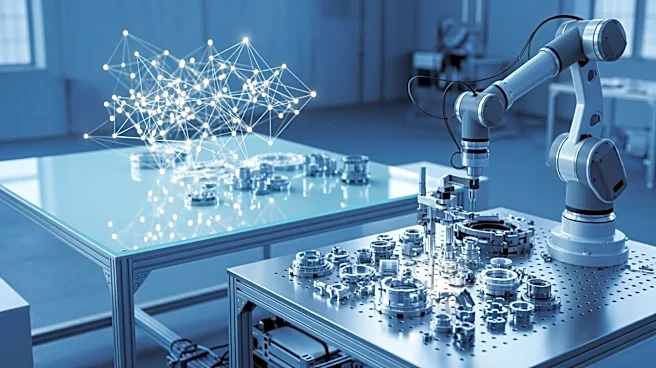
increasingly adopting digital and automated systems to streamline production processes. The current manufacturing methods are labor-intensive and costly, with single production batches reaching up to $500,000. Edwin Stone, CEO of Cellular Origins, highlights the shortage of skilled biologists and the potential for human error in sterile environments as significant hurdles. To mitigate these issues, companies are turning to robotics and automation, which can reduce contamination risks and improve efficiency. Additionally, the industry is moving towards digitizing legacy equipment to integrate with modern manufacturing dashboards, as noted by Stuart Lowe, head of Advanced Therapies at TTP. This shift aims to enhance production capacity while maintaining regulatory compliance.
Why It's Important?
The move towards automation and collaboration in CGT manufacturing is crucial for the industry's sustainability and growth. By addressing scalability challenges, the sector can potentially lower production costs and increase access to life-saving therapies. The integration of digital systems and robotics not only improves efficiency but also reduces the likelihood of human error, which can lead to costly production setbacks. This transformation is essential for meeting the growing demand for CGT products and ensuring that these therapies are accessible to a broader patient population. Furthermore, collaboration among manufacturers, device companies, and therapy developers is vital for advancing the field and ensuring that innovations are effectively implemented. These partnerships can lead to more standardized processes and shared resources, ultimately benefiting patients and the healthcare system as a whole.
What's Next?
As the CGT industry continues to evolve, further advancements in automation and digital integration are expected. Companies will likely focus on refining their manufacturing processes to enhance scalability and reduce costs. Collaboration will remain a key strategy, with increased partnerships between manufacturers, device companies, and therapy developers. These collaborations will aim to integrate new technologies and streamline production workflows. Additionally, the industry may see more regulatory guidance on the implementation of automated systems, ensuring that these innovations meet safety and quality standards. As these developments unfold, the CGT sector will be better positioned to meet the growing demand for advanced therapies and improve patient outcomes.