




What's Happening?
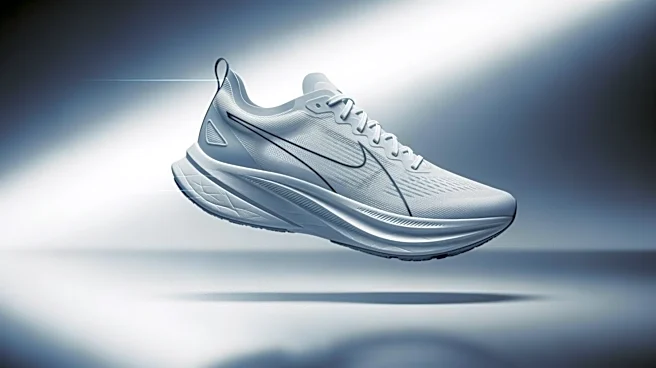
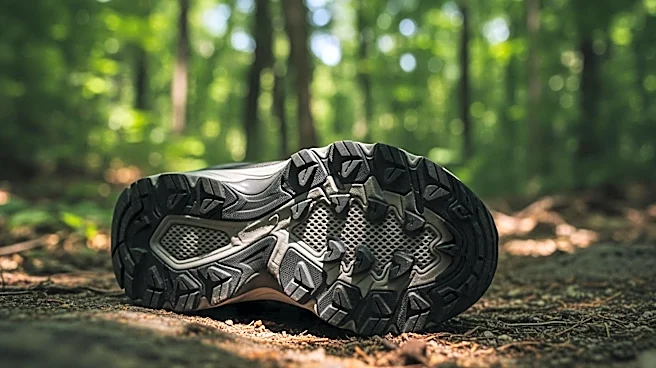
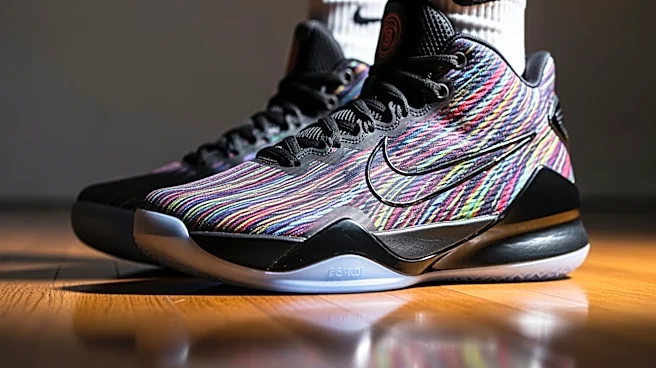
The Nike ACG Ultrafly Trail shoe has been reviewed, revealing significant concerns regarding its ventilation capabilities. The shoe's upper design, while unique and visually striking, is noted for its dense construction, which lacks sufficient ventilation holes.
This design choice appears to prioritize dust prevention over breathability. Testing confirmed these observations, with the shoe receiving a low score of 2 out of 5 for air movement between the interior and exterior. The engineered mesh, made from tightly packed synthetic yarns, further restricts airflow, although it provides a more comfortable inner layer. This design may appeal to runners who prioritize comfort over ventilation during extended use in mountainous terrains.
Why It's Important?
The review of the Nike ACG Ultrafly Trail shoe is significant for consumers and the running community, as it highlights a critical aspect of shoe design that can impact performance and comfort. Ventilation is a crucial factor for runners, especially those engaging in long-distance or trail running, where foot temperature regulation is essential. The shoe's design may influence purchasing decisions for athletes who prioritize breathability in their footwear. Additionally, this review could prompt Nike to reconsider or adjust their design strategies to better meet the needs of their target market, potentially affecting their market position and consumer satisfaction.
What's Next?
Nike may need to address the feedback regarding the ACG Ultrafly Trail's ventilation issues in future iterations or models. This could involve redesigning the upper to incorporate more breathable materials or ventilation features. Consumer feedback and sales performance will likely influence Nike's approach to future product development. Additionally, competitors may capitalize on this opportunity by emphasizing superior ventilation in their own trail running shoe offerings, potentially impacting Nike's market share in this segment.