




What's Happening?
LVMH Moët Hennessy Louis Vuitton, a leading group in high-quality products, reported revenue of €19.1 billion for the first quarter of 2026. Despite geopolitical disruptions, particularly the conflict in the Middle East, LVMH maintained its innovative
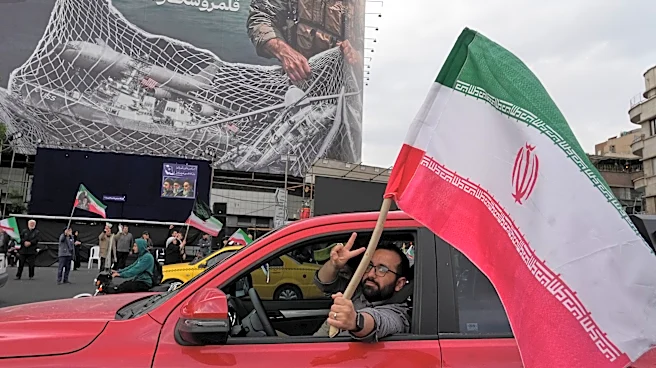
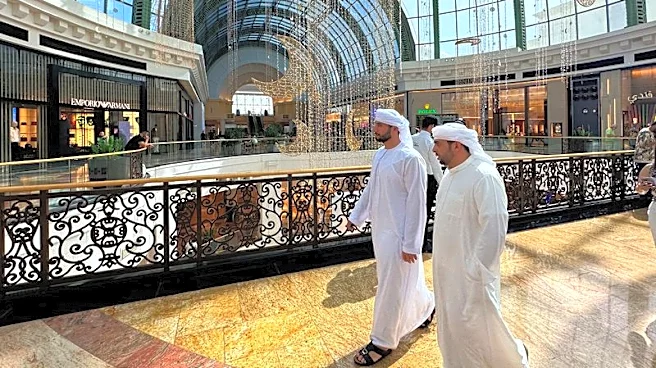
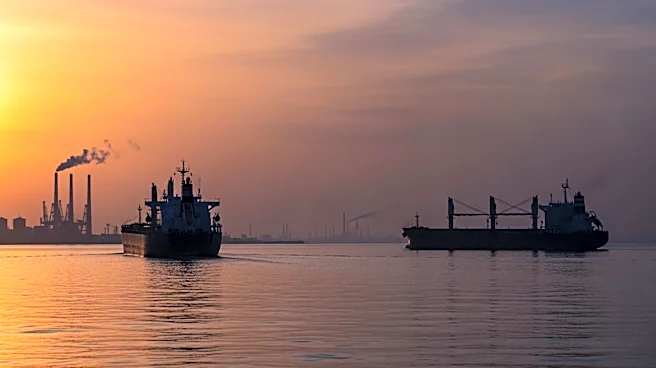
momentum and showed resilience. The conflict negatively impacted organic growth by approximately 1% for the quarter. The United States experienced a strong start to the year, while Europe and Japan saw resilient local demand offsetting lower tourist spending. Asia, excluding Japan, demonstrated strong growth, continuing trends from late 2025. The Middle East, however, faced challenges due to the conflict, affecting sales at key luxury hubs like the Mall of the Emirates.
Why It's Important?
The resilience of LVMH amidst geopolitical disruptions highlights the robustness of luxury brands in navigating complex global environments. The company's strategic focus on innovation, investment, and quality in its designs and distribution has allowed it to maintain leadership in the luxury market. This performance is crucial for stakeholders, including investors and luxury consumers, as it underscores the ability of high-end brands to withstand economic and political challenges. The impact on organic growth, though minimal, reflects the sensitivity of luxury markets to geopolitical events, emphasizing the need for strategic adaptability.
What's Next?
LVMH plans to continue focusing on brand development through innovation and investment, aiming to strengthen its global leadership position. The company will rely on its diverse business portfolio and geographic revenue balance to navigate ongoing geopolitical and economic challenges. Stakeholders can expect LVMH to maintain vigilance while pursuing growth opportunities, particularly in regions showing strong demand. The group's strategic initiatives, including expanding retail networks and enhancing product lines, will be crucial in sustaining its market position.
Beyond the Headlines
The conflict in the Middle East serves as a reminder of the geopolitical risks that luxury brands face. LVMH's ability to maintain growth despite these challenges highlights the importance of strategic resilience and adaptability. The company's focus on quality and selective distribution not only supports its market position but also sets a benchmark for other luxury brands navigating similar disruptions. This situation may prompt discussions on the ethical implications of operating in conflict-affected regions and the role of luxury brands in promoting stability through economic engagement.