


What's Happening?
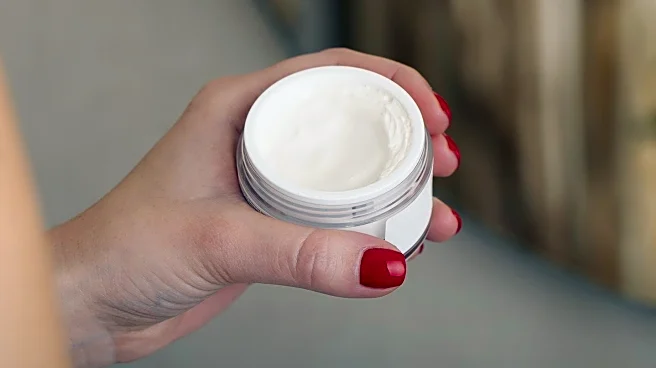
A recent trend on TikTok has seen users applying hemorrhoid cream to areas of the face and neck, claiming it can tighten skin and reduce wrinkles. This practice has gained popularity despite warnings from dermatologists about potential risks. Hemorrhoid creams often contain vasoconstrictors like phenylephrine, which can temporarily shrink blood vessels and create a fleeting tightening effect on the skin. However, experts caution that this effect is merely cosmetic and does not result in any real change to the skin's structure. Dermatologists emphasize that the use of hemorrhoid cream on the face can lead to skin irritation, barrier disruption, and even thinning of the skin over time, especially if the product contains topical steroids.
Why It's Important?
The trend
of using hemorrhoid cream for cosmetic purposes highlights a broader issue of misinformation and the pursuit of quick fixes in skincare. While the temporary effects of such creams may seem appealing, they do not address underlying causes of skin aging, such as collagen loss and sun damage. The use of inappropriate products can lead to long-term skin damage, underscoring the importance of relying on dermatologist-recommended treatments. This situation also reflects the influence of social media on consumer behavior, where viral trends can overshadow professional advice, potentially leading to harmful practices.
What's Next?
Dermatologists are likely to continue advocating for safer, more effective skincare solutions, emphasizing the importance of using products specifically designed for facial skin. As awareness grows about the potential risks of using hemorrhoid cream for cosmetic purposes, consumers may become more discerning in their skincare choices. The skincare industry might also see an increased demand for products that offer genuine anti-aging benefits without the risks associated with off-label use of medications. Additionally, platforms like TikTok may face pressure to regulate content that promotes potentially harmful beauty practices.
Beyond the Headlines
This trend raises questions about the role of social media in shaping beauty standards and the responsibility of influencers in promoting safe practices. It also highlights the need for better public education on skincare and the importance of consulting professionals for health-related advice. The phenomenon underscores the cultural obsession with youth and beauty, often at the expense of safety and long-term health. As the conversation around this trend continues, it may lead to a broader discussion about the ethical implications of beauty advice shared online.