



What's Happening?
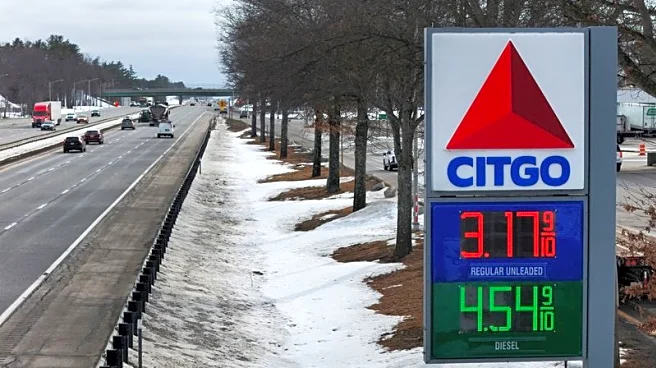
The recent spike in oil prices, driven by fears of a widening conflict in Iran, has reignited the debate over return-to-office policies in the U.S. As crude oil prices exceed $100 a barrel, the cost of commuting has become a significant concern for employees.
Many workers are reconsidering their commuting options, with some opting for remote work or alternative transportation methods. Employers are facing challenges in retaining talent, especially in areas lacking public transportation. The increased commuting costs are effectively reducing take-home pay, prompting some companies to offer flexible work arrangements to mitigate the impact.
Why It's Important?
The rise in commuting costs due to higher fuel prices has broader implications for the U.S. labor market and workplace dynamics. Employers may need to reassess their return-to-office policies to retain employees and remain competitive. The situation highlights the ongoing tension between remote work and in-office requirements, a debate that has persisted since the pandemic. Companies that can offer remote work or flexible scheduling may have an advantage in attracting and retaining talent, particularly as employees weigh the financial impact of commuting against the benefits of working from home.
What's Next?
If high fuel prices persist, more employers may adopt flexible work policies to accommodate employees' needs and reduce turnover. This could lead to a more permanent shift towards hybrid work models, with potential implications for urban planning and public transportation systems. Additionally, the situation may prompt further discussions on energy policy and the need for sustainable transportation solutions to reduce dependency on fossil fuels.