
What's Happening?
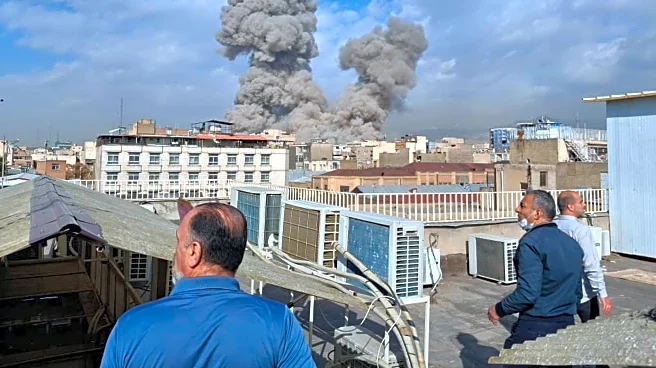
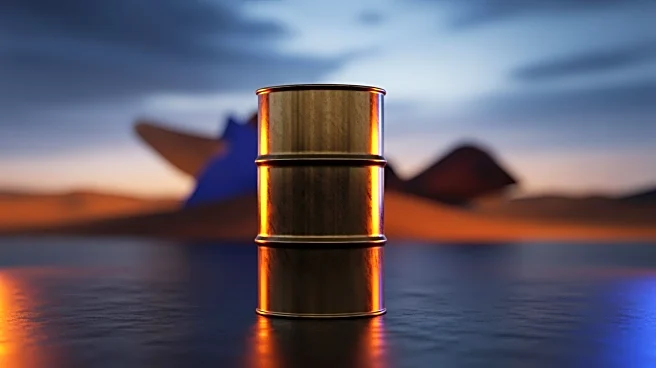
OPEC+ has announced a decision to increase oil production by 206,000 barrels per day starting in April. This decision comes in response to heightened tensions in the Middle East, particularly following U.S.-Israeli strikes on Iran, which have raised concerns
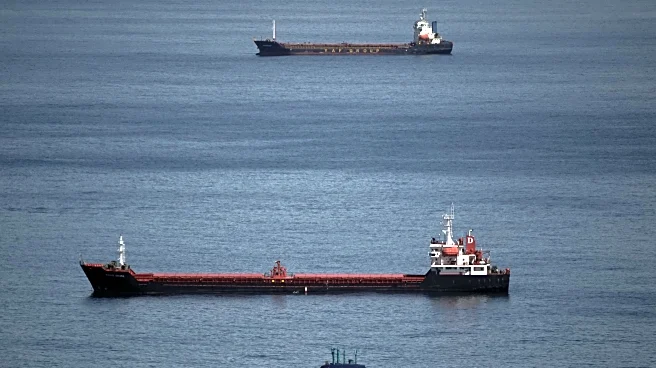
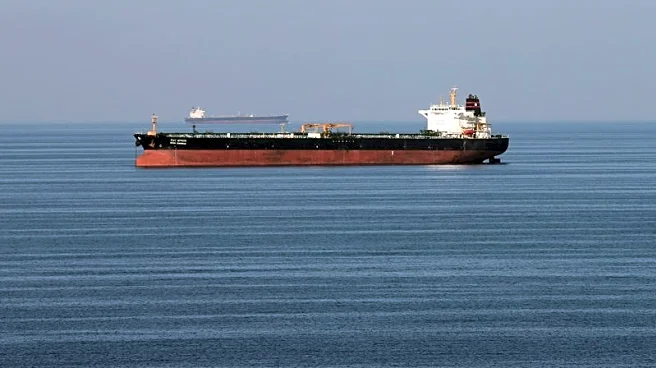
about potential disruptions in global crude flows. The increase is slightly larger than previous increments and follows a pause in planned supply hikes during the first quarter. Saudi Arabia and Russia, key members of OPEC+, are leading this production boost. The move is aimed at stabilizing oil prices, which have risen due to fears of disruptions in the Strait of Hormuz, a critical shipping route for global crude and refined products.
Why It's Important?
The decision by OPEC+ to increase oil production is significant as it addresses the potential supply disruptions caused by geopolitical tensions in the Middle East. The Strait of Hormuz is a vital passage for about 20% of the world's oil, and any disruption could have severe implications for global energy markets. By boosting production, OPEC+ aims to mitigate the risk of supply shortages and stabilize oil prices, which have been climbing. This move is crucial for countries dependent on oil imports, as it helps prevent further economic strain from rising energy costs. Additionally, it underscores the strategic role of Saudi Arabia and the UAE, which hold the majority of the group's spare capacity.
What's Next?
OPEC+ is scheduled to meet again on April 5 to reassess the situation and make further decisions regarding oil production. The group maintains flexibility in its production schedule, with plans to restore more than 1 million barrels per day of previously withheld supply by late 2026. The ongoing geopolitical tensions and their impact on oil markets will likely be a key focus of the upcoming meeting. Stakeholders, including oil-importing nations and energy companies, will be closely monitoring these developments to adjust their strategies accordingly.