


What's Happening?
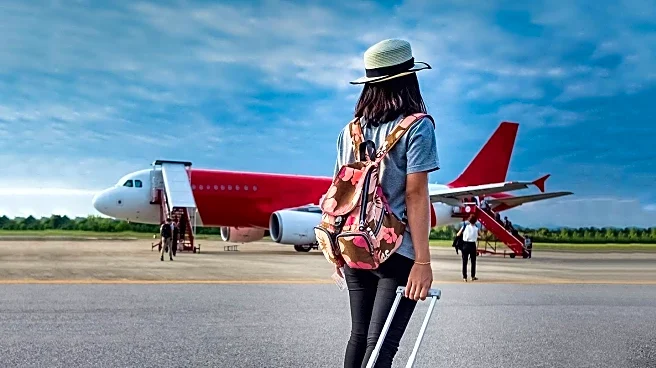
A recent discussion on Reddit's r/solofemaletravellers forum has brought attention to the concept of 'ugly privilege,' where women traveling solo find benefits in downplaying their appearance. The term gained traction after a user shared her experience
of feeling 'invisible' and less harassed when traveling without makeup and in casual attire. This approach, she claims, allows her to avoid the 'male gaze' and enjoy a more peaceful travel experience. The post resonated with many women, garnering over 15,000 upvotes and numerous comments from others who have experienced similar benefits. The discussion highlights a broader societal issue regarding the treatment of women based on their appearance.
Why It's Important?
The conversation around 'ugly privilege' underscores ongoing societal challenges related to gender and safety. For many women, the ability to travel without unwanted attention is a significant concern, and this trend suggests a coping mechanism that some find effective. It raises questions about societal norms that equate a woman's value with her appearance and the pervasive issue of harassment. The discussion also highlights the need for broader societal changes to ensure that women can travel safely without altering their appearance. This trend could influence travel industry practices and policies aimed at enhancing safety for female travelers.
What's Next?
As the concept of 'ugly privilege' gains attention, it may prompt further discussions on social media and beyond about women's safety and societal expectations. Travel companies and safety advocates might explore new strategies to support female travelers, potentially leading to campaigns or initiatives that address harassment and promote safe travel environments. Additionally, this trend could inspire more women to share their experiences and strategies, fostering a community of support and awareness.
Beyond the Headlines
The 'ugly privilege' discussion reveals deeper cultural issues regarding gender and appearance. It challenges the notion that women must conform to beauty standards to be valued or safe. This trend could contribute to a shift in how society views beauty and safety, encouraging a reevaluation of norms that prioritize appearance over personal security. It also highlights the need for accountability in addressing harassment, emphasizing that safety should not be contingent on appearance.