


What's Happening?
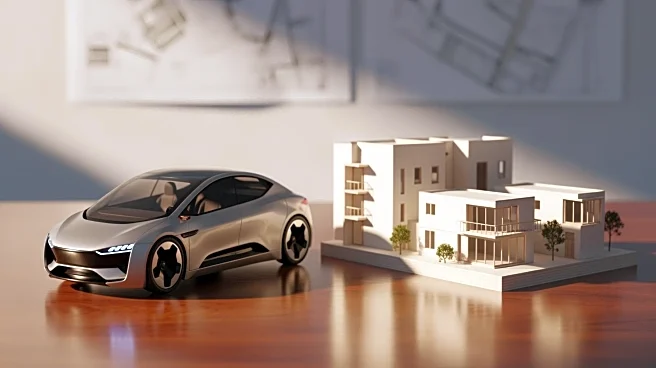
Tesla CEO Elon Musk has expressed agreement with the idea that self-driving cars could enhance housing affordability. During a podcast, host John Coogan suggested that autonomous vehicles could reduce commuting times, allowing people to live in more affordable
areas further from city centers. Musk concurred, noting that self-driving technology could facilitate the development of new suburbs. Additionally, Musk's Starlink satellite internet service was mentioned as a potential enabler for housing in underdeveloped areas by providing internet access.
Why It's Important?
The integration of self-driving technology into daily life could significantly impact urban planning and housing markets. By reducing the burden of commuting, autonomous vehicles could make it feasible for people to live in less expensive areas, potentially easing housing affordability issues in urban centers. This shift could lead to the expansion of suburban areas and influence real estate development patterns. Moreover, the combination of self-driving technology and satellite internet could open up new regions for residential development, altering the dynamics of housing supply and demand.
What's Next?
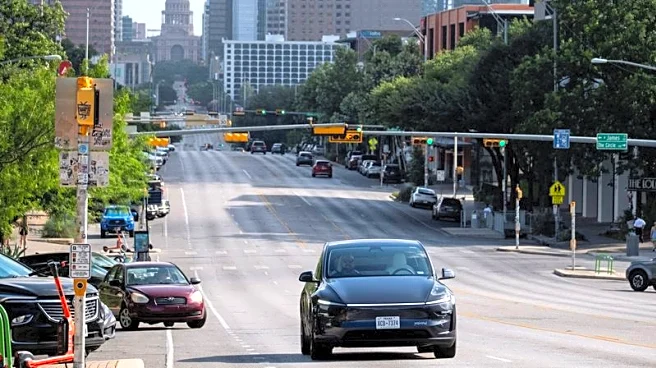
As self-driving technology continues to evolve, its impact on housing markets will depend on regulatory developments, technological advancements, and consumer adoption. The success of initiatives like Tesla's Robotaxi service will be crucial in demonstrating the viability of autonomous vehicles as a commuting solution. Additionally, the expansion of satellite internet services like Starlink will play a role in enabling remote living. Stakeholders in the real estate and technology sectors will need to collaborate to address potential challenges and maximize the benefits of these innovations.