




What's Happening?
Rowan Kelshaw, a developer with PREMISE, a Los Angeles-based real estate development and advisory firm, is challenging traditional luxury real estate norms by prioritizing design quality over sheer size. Kelshaw argues that larger homes and extensive
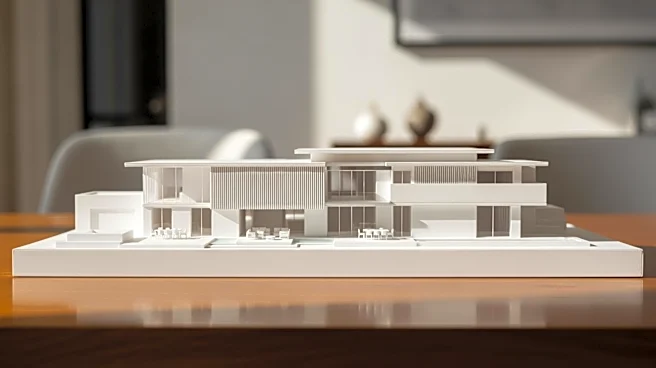
amenities do not necessarily equate to better living experiences. Instead, he believes that elements such as spatial experience, natural light, and material selection significantly contribute to a property's long-term appeal. This approach is exemplified in the Waring Residence, a project in West Hollywood that emphasizes architectural detail and the integration of indoor and outdoor spaces. The project, designed by Avi Galili Architects, focuses on volume and proportion rather than maximizing buildable area, showcasing how thoughtful design can enhance both perception and functionality.
Why It's Important?
This shift in focus from size to design quality reflects broader changes in luxury real estate, where buyers increasingly value craftsmanship, individuality, and the relationship between indoor and outdoor spaces. As consumers become more exposed to global architecture and design, their expectations for residential environments evolve. This trend suggests that future housing preferences may prioritize unique and thoughtfully designed living spaces over traditional metrics like square footage. For developers, this means that creating homes with a strong sense of identity and intention could become a competitive advantage, potentially influencing market dynamics and consumer choices in the luxury real estate sector.
What's Next?
As the luxury real estate market continues to evolve, developers like PREMISE may lead the way in redefining what constitutes value in residential properties. This could result in a broader industry shift towards prioritizing design and experience over size. For buyers, this means more options that cater to a desire for distinctive living experiences. For developers, it presents an opportunity to innovate and differentiate their offerings in a competitive market. The ongoing dialogue around design and architecture in real estate is likely to influence future projects and consumer expectations, potentially reshaping the landscape of luxury housing.