



What's Happening?
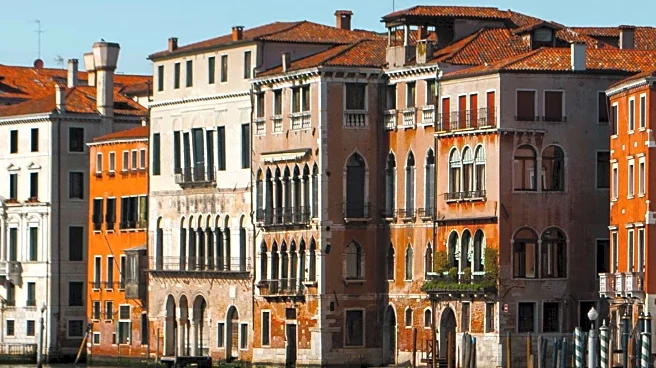
The Atlantic's Books Briefing delves into the enduring allure of Venice as depicted in the works of Henry James. The article highlights how Venice, despite its reputation for being overcrowded and expensive, continues to captivate artists and writers. Anne Applebaum retraces James's steps in Venice, exploring the less-traveled parts of the city that inspired his novella, 'The Aspern Papers.' The piece emphasizes the contrast between the tourist-heavy areas and the quieter, more authentic parts of Venice that James cherished. Applebaum's journey reveals that the Venice of James's time, with its deserted squares and hidden churches, still exists for those willing to seek it out.
Why It's Important?
This exploration of Venice through the lens of Henry James's work
underscores the city's lasting impact on art and literature. Venice's ability to inspire across generations highlights its cultural significance beyond its modern-day challenges. The article suggests that while Venice faces issues like overcrowding and environmental threats, its historical and artistic legacy remains intact. This perspective encourages a deeper appreciation of cultural heritage sites and their role in shaping artistic narratives. For readers and travelers, it offers a reminder of the value in exploring beyond the surface to discover the authentic essence of iconic locations.
What's Next?
As Venice continues to grapple with the pressures of tourism and environmental concerns, there may be increased efforts to preserve its cultural and historical sites. This could involve initiatives to manage tourist flow and protect the city's unique architecture and art. Additionally, the narrative of Venice as a source of artistic inspiration may inspire more writers and artists to explore and document the city's hidden gems. Such efforts could contribute to a broader movement to balance tourism with cultural preservation, ensuring that future generations can experience the Venice that inspired figures like Henry James.
Beyond the Headlines
The article touches on the broader implications of how cities like Venice are perceived and preserved. It raises questions about the sustainability of tourism in historically significant locations and the responsibility of travelers to engage with these places thoughtfully. The piece also highlights the role of literature and art in shaping public perception of cultural sites, suggesting that storytelling can be a powerful tool in preserving and promoting cultural heritage. This perspective invites a reevaluation of how modern society interacts with and values historical landmarks.