





What's Happening?
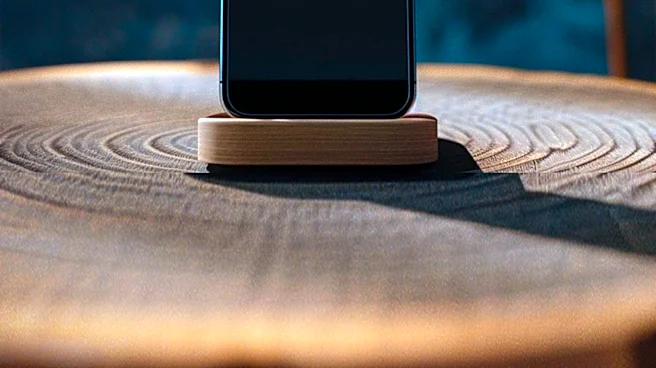
A new device called the Brick is gaining attention for its ability to help users reduce screen time and avoid doomscrolling. Unlike traditional digital wellbeing tools like Apple's Screen Time or Android's Digital Wellbeing, which can be easily bypassed,
the Brick requires users to physically tap it to unlock restricted apps and websites. This feature makes it more challenging to override, encouraging users to stick to their screen time limits. The device has been tested by several individuals who reported increased productivity and mindfulness in their daily lives. The Brick is particularly effective for those who struggle with impulsive phone use, as it conditions users to check their devices less frequently.
Why It's Important?
The introduction of the Brick device addresses a growing concern over excessive screen time and its impact on mental health and productivity. By providing a physical barrier to app access, the Brick encourages users to be more intentional with their phone use, potentially leading to improved focus and reduced anxiety associated with constant connectivity. This development is significant as it offers a practical solution for individuals seeking to balance their digital consumption with real-world interactions. The device's effectiveness in promoting healthier screen habits could influence future digital wellbeing tools and strategies.
What's Next?
As the Brick gains popularity, it may inspire further innovations in digital wellbeing technology. Companies could explore similar physical solutions to complement existing software-based tools. Additionally, the success of the Brick might prompt discussions on the importance of digital detoxing and the role of technology in mental health. Users who adopt the Brick may continue to refine their screen time habits, potentially leading to broader societal shifts in how people interact with their devices.