


What's Happening?
Amazon has announced a new 3.5% fuel surcharge for sellers using its distribution network, a move driven by the rising transportation costs due to the ongoing conflict in Iran. This surcharge will affect merchants utilizing Amazon's Fulfillment by Amazon (FBA)
service, which is integral to the majority of third-party sales on the platform. The surcharge is set to take effect on April 17 and is a response to the elevated costs in fuel and logistics that have increased operational expenses across the industry. Amazon has stated that while it has absorbed these costs so far, the surcharge is necessary to partially recover them. The company also noted that the surcharge is lower than those applied by other major carriers. This policy mirrors a similar surcharge introduced in 2022 during the Russia-Ukraine conflict, which also caused significant disruptions in energy markets.
Why It's Important?
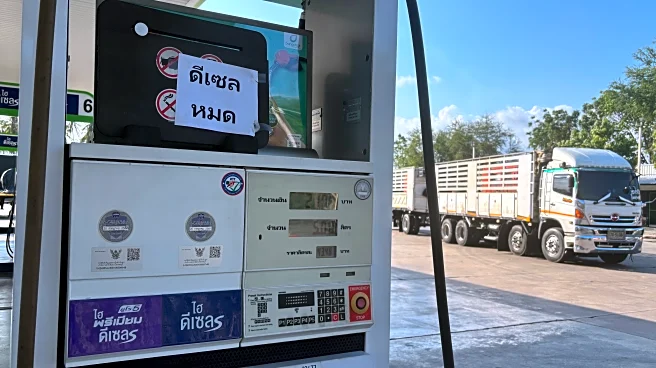
The introduction of a fuel surcharge by Amazon highlights the broader economic impact of geopolitical conflicts on global supply chains and energy markets. For U.S. sellers relying on Amazon's platform, this surcharge represents an additional cost that could affect their pricing strategies and profit margins. The decision underscores the vulnerability of global commerce to fluctuations in energy prices, particularly when key shipping lanes like the Strait of Hormuz are threatened. This development could lead to increased costs for consumers and potentially influence the competitive dynamics among e-commerce platforms. Additionally, it reflects the ongoing challenges businesses face in adapting to volatile market conditions driven by international conflicts.
What's Next?
Amazon has indicated that the fuel surcharge will remain in place for the foreseeable future, with the company continuing to evaluate market conditions for potential policy adjustments. Sellers may need to reassess their pricing and logistics strategies to mitigate the impact of these additional costs. The broader e-commerce industry might also see similar surcharges from other major players, potentially leading to a ripple effect on consumer prices. Stakeholders, including policymakers and industry leaders, may need to consider measures to stabilize energy markets and support businesses affected by these geopolitical tensions.