


What's Happening?
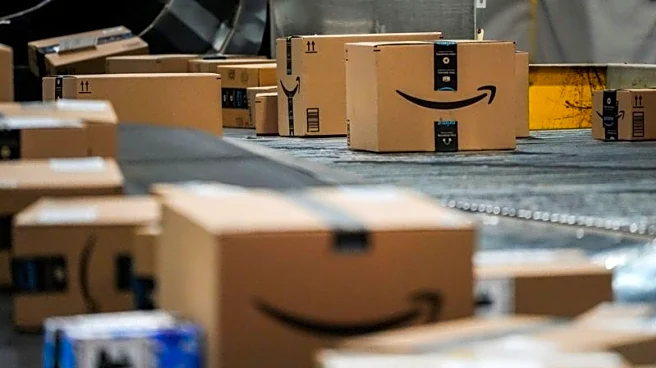
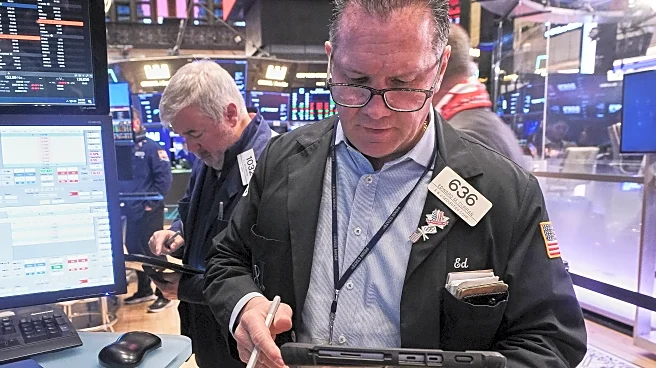
Amazon's stock experienced a significant drop of nearly 7% following the announcement of its earnings, which narrowly missed expectations. The decline was further fueled by concerns over Amazon's plans to invest $200 billion in capital expenditures, primarily focused on artificial intelligence data centers. This spending plan has raised eyebrows among investors, leading to a 13% drop in Amazon's shares over the week, marking the largest weekly decline since 2022. Despite the downturn, some traders, including Malcolm Ethridge from Capital Area Planning Group, view this as a buying opportunity, citing the company's long-term growth potential. Ethridge and others believe that the market's initial reaction is typical of the current investment climate,
where retail investors tend to sell first and strategize later.
Why It's Important?
The significant investment in AI data centers by Amazon is part of a broader trend among major technology firms to expand their capabilities in artificial intelligence. This move is seen as a strategic effort to maintain competitive advantage and drive future growth. However, the immediate market reaction highlights the tension between short-term investor concerns and long-term strategic planning. The decline in Amazon's stock price reflects investor apprehension about the scale of the expenditure and its impact on short-term profitability. Nevertheless, the confidence expressed by industry leaders like Altimeter Capital CEO Brad Gerstner suggests that these investments could yield substantial returns, similar to Amazon's past successes with its Web Services division.
What's Next?
As Amazon continues with its capital expenditure plans, the company will need to demonstrate the value of these investments to reassure investors. Analysts remain optimistic about Amazon's long-term prospects, although many have adjusted their price targets for the stock. The market will be closely watching Amazon's execution of its AI strategy and its ability to integrate these investments into its broader business model. Additionally, the response from other major technology firms could influence market dynamics, as they too navigate the balance between innovation and investor expectations.