




What's Happening?
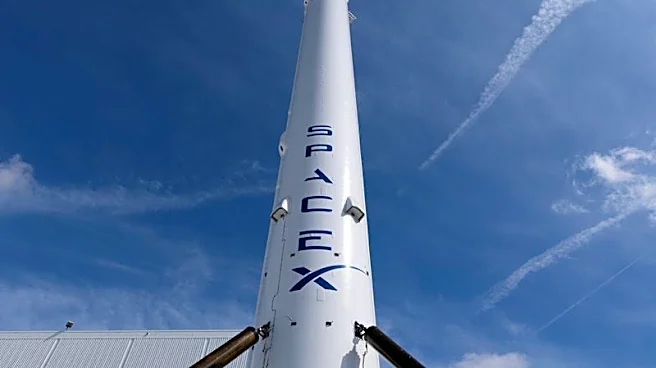
Speculation has emerged regarding a potential merger between Tesla and SpaceX, two companies led by Elon Musk. This speculation has been fueled by their existing collaborations on various projects, which have led some investors to believe that a merger could
align engineering resources, manufacturing capabilities, and long-term technology development under a single structure. Analyst Dan Ives has suggested that such a merger could occur as early as 2027, although neither Tesla nor SpaceX has confirmed any ongoing merger discussions. Historically, Musk has operated his businesses independently, despite overlapping initiatives. The potential merger is seen as part of Tesla's broader growth narrative, as the company expands its focus beyond electric vehicles into areas like robotics, artificial intelligence, and automation technologies.
Why It's Important?
The potential merger between Tesla and SpaceX could have significant implications for both companies and the industries they operate in. For Tesla, merging with SpaceX could enhance its technological capabilities and accelerate its expansion into new areas such as robotics and artificial intelligence. For SpaceX, the merger could provide additional resources and support for its ambitious space exploration goals. However, such a merger would likely face intense scrutiny from investors and regulators due to the scale and strategic importance of both companies. The merger could also impact the competitive landscape in the automotive and aerospace industries, potentially leading to new innovations and shifts in market dynamics.
What's Next?
If the merger speculation gains traction, it could lead to increased investor interest and scrutiny of both Tesla and SpaceX. Stakeholders will likely monitor any official announcements or developments closely. Regulatory bodies may also begin to assess the potential implications of such a merger, considering the strategic importance and market influence of both companies. Additionally, the merger could prompt reactions from competitors in the automotive and aerospace sectors, potentially leading to strategic adjustments or new partnerships in response to the changing landscape.