




What's Happening?
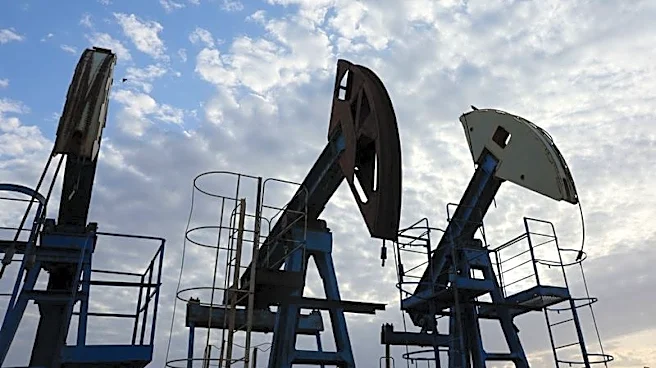
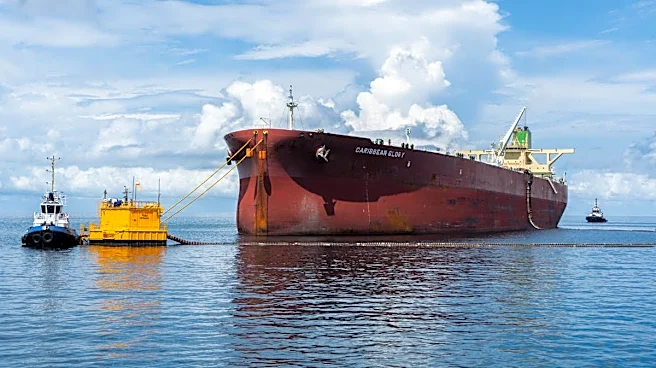
The oil market experienced significant volatility as diplomatic tensions between the United States and Iran influenced trading dynamics. Crude oil prices initially surged due to concerns over potential disruptions in global oil supplies, particularly
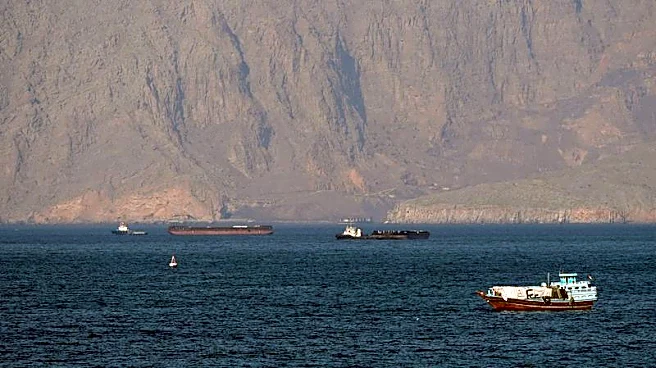
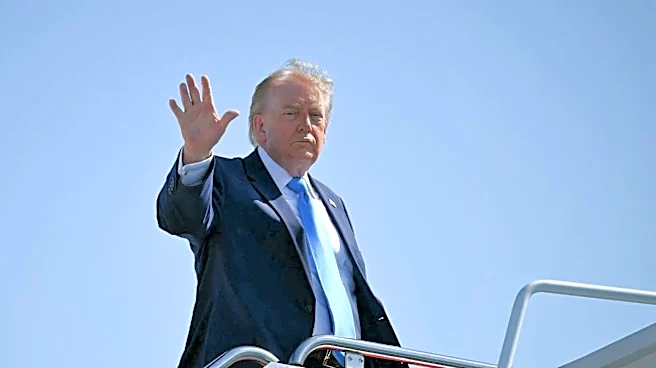
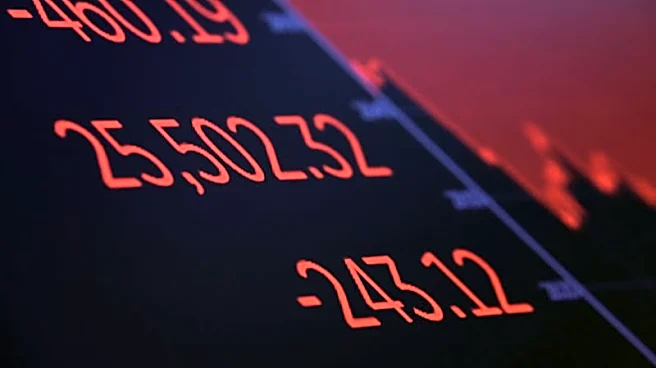
with the ongoing blockage of the Strait of Hormuz. However, the market reversed course following comments from President Trump, who indicated that diplomatic negotiations with Iran were still possible, despite his firm rhetoric. This led to a sharp decline in oil prices as traders adjusted their expectations based on the potential for a diplomatic resolution. The market's reaction underscores the sensitivity of traders to geopolitical developments and the impact of President Trump's statements on market sentiment.
Why It's Important?
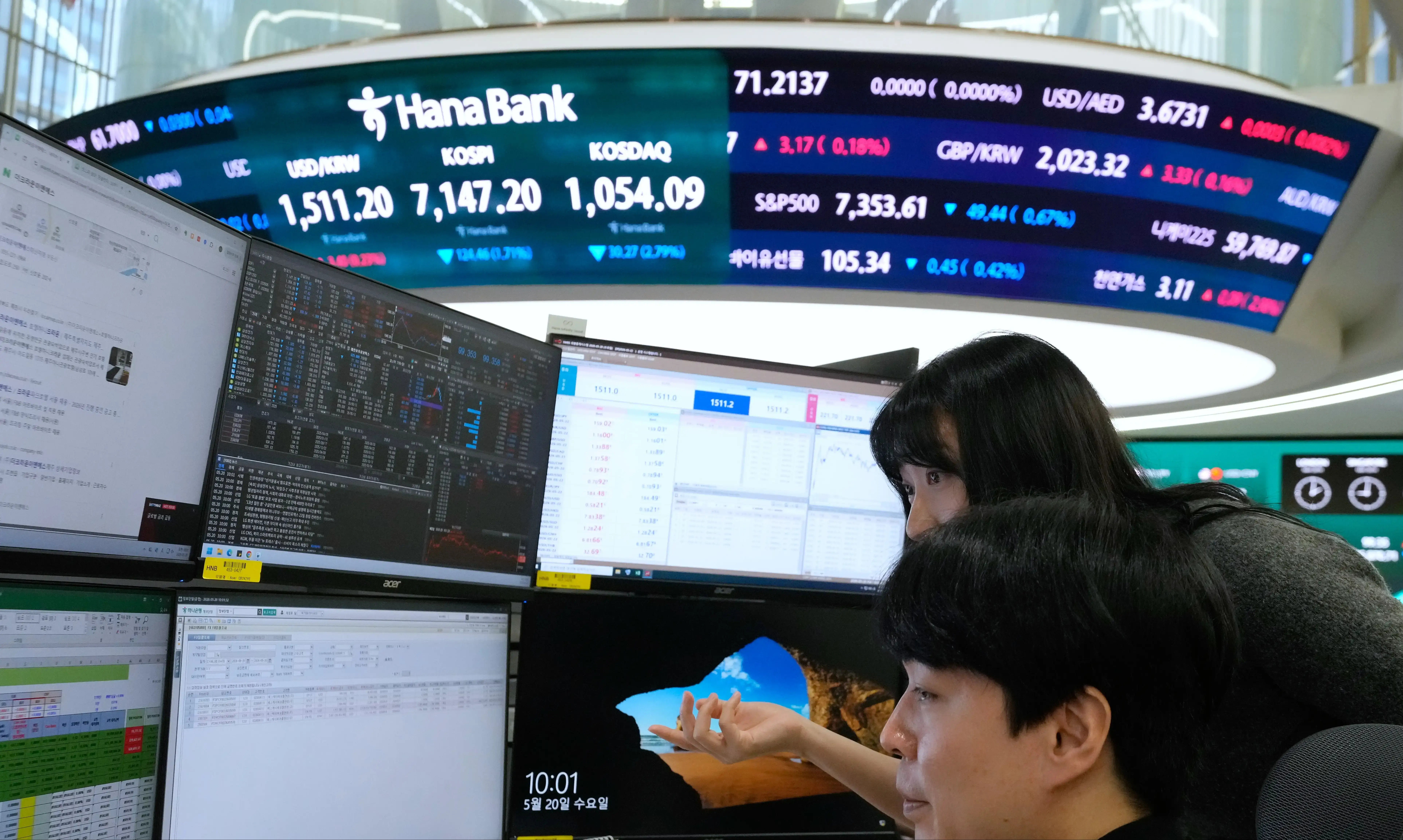
The fluctuations in oil prices have significant implications for the global energy market and the U.S. economy. A sustained increase in oil prices could lead to higher fuel costs, impacting consumers and businesses alike. Conversely, a resolution to the U.S.-Iran tensions could stabilize oil prices, benefiting industries reliant on energy. The situation also highlights the influence of geopolitical events on market dynamics, with traders closely monitoring developments that could affect supply routes and inventory levels. The potential for a diplomatic breakthrough could alleviate some of the geopolitical risk premium currently priced into the market, but ongoing supply disruptions and tight inventories remain a concern.
What's Next?
The market is likely to remain volatile as traders await further developments in U.S.-Iran negotiations. A meaningful diplomatic breakthrough could lead to a reduction in geopolitical risk premiums and further price adjustments. However, unresolved supply disruptions and tight inventories continue to pose challenges. The International Energy Agency has warned of potential tight market conditions during the summer if normal activity through the Strait of Hormuz is not restored. Traders will be closely watching for any signs of progress in negotiations and changes in supply dynamics that could influence future price movements.