





What's Happening?
The mining industry is increasingly integrating energy-efficient technologies to address environmental concerns and operational efficiency. Recent advancements include real-time monitoring systems that identify inefficiencies in energy consumption, predictive
maintenance algorithms that prevent equipment degradation, and battery energy storage systems for peak shaving. These technologies aim to reduce the energy intensity of mining operations, which currently consume a significant portion of global electricity. High-Pressure Grinding Rolls (HPGR) and Vertical Roller Mills (VRMs) are being implemented to reduce energy consumption in comminution processes, while Battery Electric Vehicles (BEVs) are being integrated into underground operations to eliminate diesel emissions and reduce ventilation energy requirements.
Why It's Important?
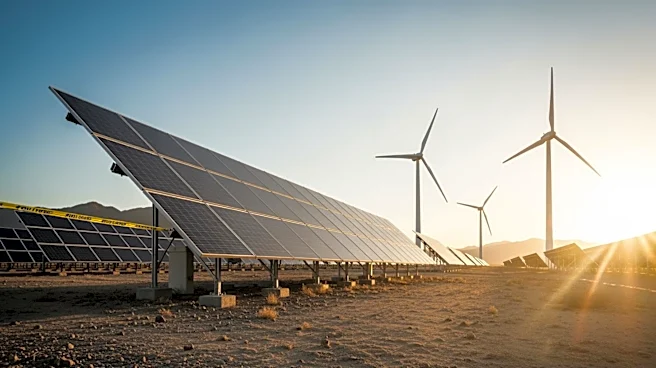
The adoption of energy-efficient technologies in mining is crucial for reducing the industry's carbon footprint and operational costs. By implementing these technologies, mining companies can achieve substantial energy savings, reduce maintenance expenses, and improve productivity. This shift not only supports environmental sustainability but also enhances the competitiveness of mining operations in the global market. As high-grade mineral deposits become depleted, the need for efficient processing of lower-grade ores increases, making energy efficiency a key factor in maintaining profitability. Additionally, the integration of renewable energy sources and microgrid systems can further reduce dependency on traditional power grids, offering cost stability and reliability.
What's Next?
Mining companies are expected to continue investing in energy-efficient technologies to meet regulatory requirements and market demands for sustainable practices. The industry may see increased collaboration among companies to develop best practices and standards for technology adoption. As environmental regulations tighten and carbon pricing becomes more prevalent, the pressure to reduce emissions will drive further innovation in energy management systems. Future developments may include advancements in quantum sensing for ore characterization and hydrogen fuel cell integration for mobile equipment, offering new pathways for efficiency improvements.
Beyond the Headlines
The shift towards energy-efficient mining technologies has broader implications for the industry's social license to operate. As communities and governments demand greater environmental responsibility, mining companies must demonstrate their commitment to sustainability to maintain their operational rights. The transition also presents opportunities for workforce development, as new technologies require specialized skills and training. Additionally, the economic benefits of energy efficiency extend beyond cost savings, potentially influencing investment decisions and shareholder value as companies align with ESG (Environmental, Social, and Governance) criteria.