



What's Happening?
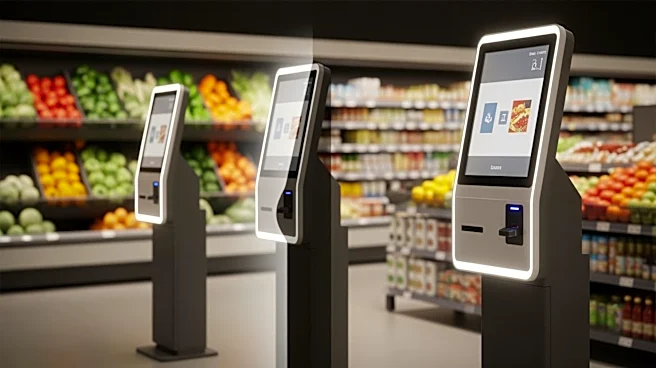
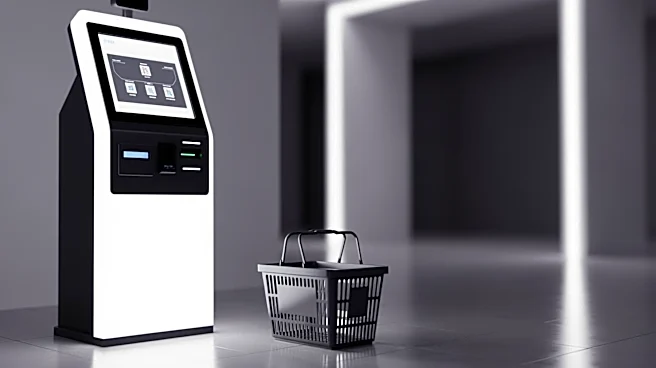
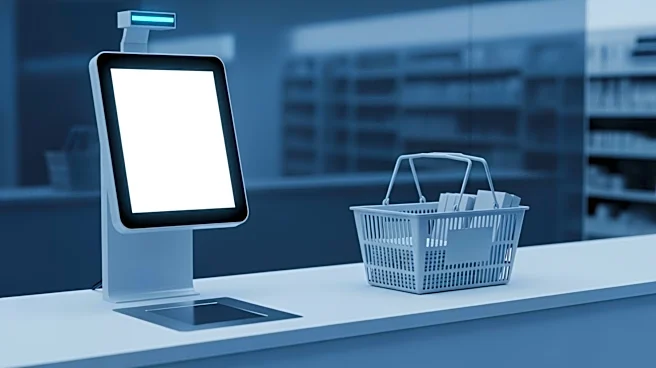
Self-checkout systems, initially introduced to streamline the shopping experience, are facing growing criticism from both consumers and retailers. Many shoppers report that self-checkout often adds stress and confusion rather than saving time. Common
issues include malfunctioning machines, scanning errors, and the need for assistance, which can make the process more cumbersome than using a traditional cashier. Additionally, some shoppers feel that self-checkout requires them to perform tasks that were traditionally handled by store employees, leading to a sense of unpaid labor. This sentiment is echoed in online discussions and reports, where many express a preference for waiting in line for a cashier. In response to these concerns, some major retailers are reconsidering their reliance on self-checkout systems, scaling back their use due to rising theft and customer dissatisfaction.
Why It's Important?
The shift away from self-checkout systems highlights a significant consumer pushback against automation in retail. This trend could impact the future of retail operations, as businesses may need to balance technological advancements with customer satisfaction. The dissatisfaction with self-checkout systems underscores the importance of human interaction in the shopping experience, which many consumers still value. For retailers, the decision to reduce self-checkout lanes could lead to increased staffing needs, potentially affecting employment levels in the sector. Moreover, the move away from self-checkout could influence other industries considering automation, as it raises questions about the effectiveness and acceptance of such technologies by the public.
What's Next?
As retailers reassess their use of self-checkout systems, they may explore alternative solutions to enhance the shopping experience without compromising efficiency. This could involve investing in better technology to improve the reliability of self-checkout machines or increasing the number of staffed lanes to accommodate customer preferences. Retailers might also consider implementing hybrid models that combine self-service with human assistance to address the diverse needs of their customers. The ongoing debate over self-checkout could prompt broader discussions about the role of automation in retail and other industries, potentially influencing future technological developments and consumer expectations.