






What's Happening?
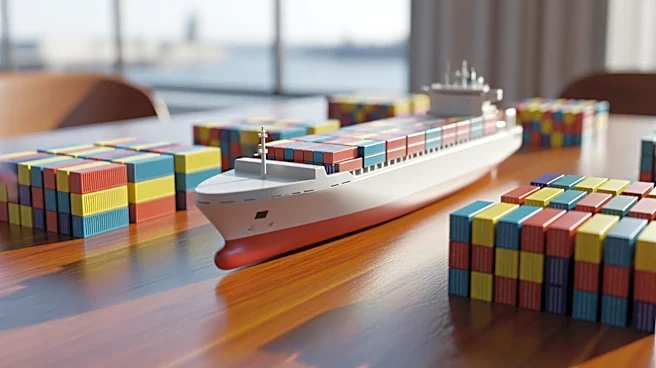
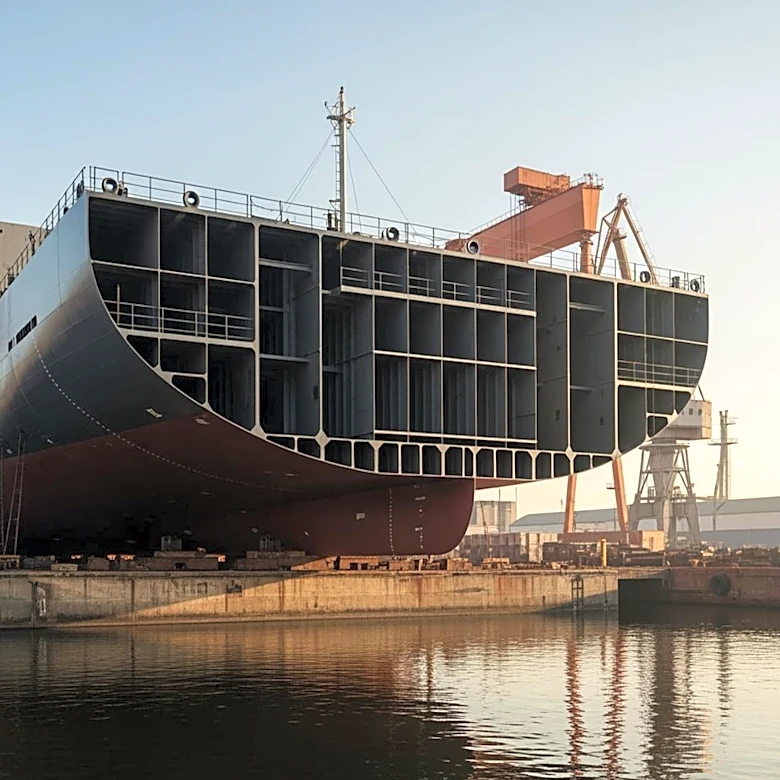
Alternative Marine Technologies has issued a Request for Proposal (RFP) to three major U.S. shipbuilding companies for the construction of a 2+2 series of 230 TEU Microcontainer Feeder vessels. These vessels are based on the Conoship CIP230TEU design,
which is currently operational in Europe. The design includes production drawings and 3D modeling, with a virtual walkthrough available. Vega Reederei, a short sea operator, has joined the project team to handle commercial operations. The vessels are designed with diesel-electric propulsion, meeting EPA Tier IV and IMO Tier III emissions standards, and are capable of future environmental upgrades. The project has been in development for two years, with support from terminals and port authorities along the U.S. East Coast and the Great Lakes. There is significant interest in developing water freight routes in areas such as Chicago, Indiana, and Detroit, with discussions on European movements into the Great Lakes through the St Lawrence Seaway and Southern River routes.
Why It's Important?
The issuance of the RFP for Microcontainer Feeder vessels represents a significant step in enhancing the U.S. maritime freight industry. By adopting the Conoship CIP230TEU design, the project aims to improve efficiency and environmental standards in maritime operations. The diesel-electric propulsion system aligns with current emissions standards, positioning the vessels as a sustainable option for future maritime transport. The interest from U.S. terminals and port authorities indicates a strong demand for innovative freight solutions, which could lead to increased economic activity in key regions such as the Great Lakes and the U.S. East Coast. This development could also facilitate international trade routes, enhancing connectivity between U.S. and European markets.
What's Next?
The next steps involve the selection of shipbuilding companies to undertake the construction of the vessels, following the RFP process. Once the contracts are awarded, construction will commence, with Vega Reederei overseeing commercial operations. The project team will continue to engage with U.S. terminals and port authorities to finalize operational plans and routes. Additionally, discussions on expanding European movements into the Great Lakes will progress, potentially leading to new international trade opportunities. Stakeholders will monitor the project's impact on emissions standards and maritime efficiency, with potential adjustments to enhance environmental capabilities.
Beyond the Headlines
The introduction of Microcontainer Feeder vessels could have broader implications for the U.S. maritime industry, including setting new standards for vessel design and environmental compliance. The project's focus on diesel-electric propulsion may encourage other maritime operators to adopt similar technologies, contributing to a shift towards more sustainable practices. Furthermore, the collaboration between U.S. and European entities highlights the potential for increased international cooperation in maritime logistics, which could lead to more integrated global supply chains.