
What's Happening?
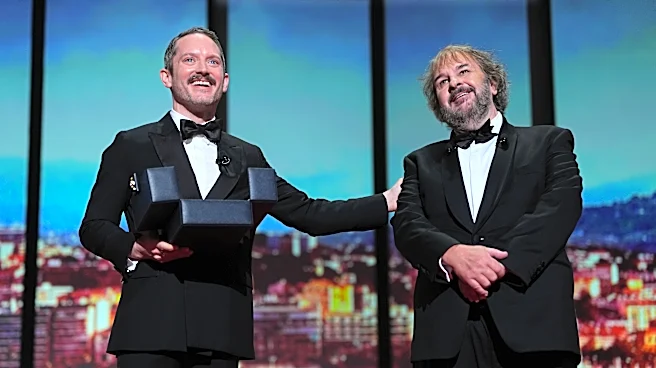
At the Cannes Film Festival, filmmaker Peter Jackson shared his views on the use of artificial intelligence (AI) in filmmaking, describing it as a tool akin to early stop-motion technology. Jackson, known
for his work on 'The Lord of the Rings', emphasized that AI, when used appropriately, can enhance creativity without replacing the imaginative input of filmmakers. He compared AI to traditional special effects, suggesting that its value lies in the creativity of the user. Jackson also highlighted the importance of obtaining actor consent for AI recreations of their likenesses, likening it to licensing music or books for film use.
Why It's Important?
Jackson's comments contribute to the ongoing discourse on AI's impact on the film industry. As AI technology becomes more prevalent, it raises questions about the ethical use of digital likenesses and the potential for AI to alter traditional filmmaking processes. Jackson's stance that AI should be a tool to support, not replace, human creativity is crucial for guiding industry practices. His emphasis on consent and licensing reflects broader concerns about intellectual property rights and the ethical implications of AI in creative industries.
What's Next?
The film industry may continue to explore AI's potential while establishing guidelines to protect creative rights and ensure ethical use. Jackson's upcoming projects, including a new 'Tintin' film and a World War II feature, may serve as examples of how AI can be integrated into filmmaking without compromising artistic integrity. The industry might also see increased collaboration between filmmakers and AI developers to create tools that enhance storytelling while respecting creative boundaries.