



What's Happening?
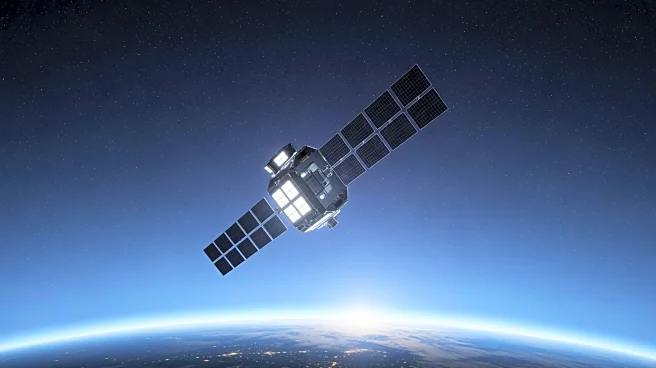
SpaceX has filed a request with the Federal Communications Commission (FCC) to launch up to one million satellites to create a network of orbiting data centers. This ambitious project aims to establish a 'constellation of satellites' with significant computing capacity to support advanced artificial intelligence models and applications. The proposed system would operate within narrow orbital shells, utilizing solar energy and optical links to connect with the existing Starlink satellite internet system. SpaceX plans to use its Starship vehicle to rapidly deploy these satellites, which would significantly expand the current Starlink constellation of over 9,600 satellites. The filing comes as SpaceX prepares for an initial public offering, which is expected
to fund this large-scale initiative.
Why It's Important?
The proposal to launch one million satellites represents a significant expansion of SpaceX's capabilities and ambitions in the satellite and data center industries. If approved, this project could revolutionize the way data centers operate by moving them into orbit, potentially reducing energy costs associated with terrestrial data centers. This move could also position SpaceX as a leader in providing infrastructure for AI applications, which are increasingly demanding in terms of computing power. However, the unprecedented scale of the project is likely to face scrutiny from regulatory bodies and competitors, as it could impact satellite traffic management and space debris concerns.
What's Next?
The FCC will review SpaceX's request, and the proposal is expected to undergo intense scrutiny due to its scale and potential impact on the satellite industry. Stakeholders, including competitors and environmental groups, may raise concerns about space traffic and debris. SpaceX's ability to secure funding through its upcoming IPO will also be crucial in advancing this project. The company's plans to merge with xAI, another Musk venture, could further influence the development and implementation of the orbital data centers.