

What's Happening?
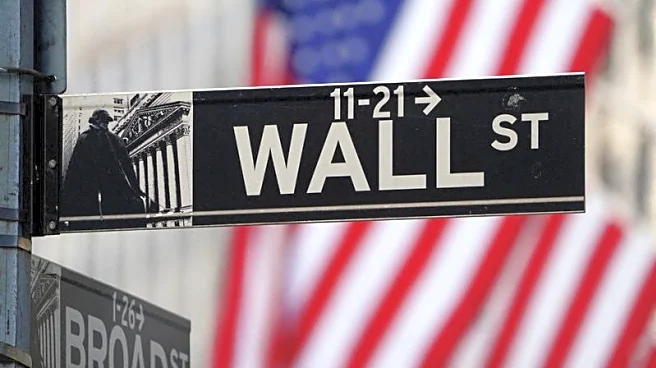
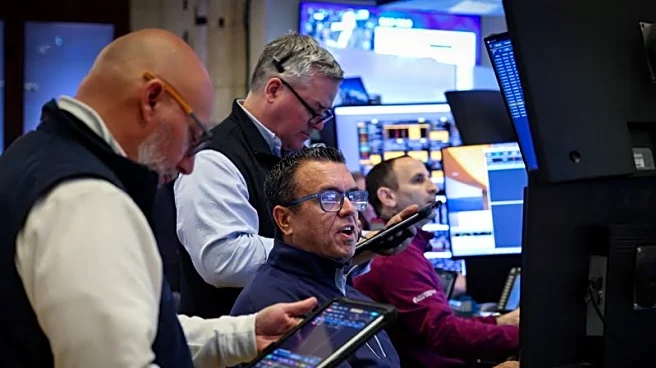
The U.S. market is experiencing heightened concerns over a potential meltdown, with the probability of such an event rising to 35%, according to strategist Ed Yardeni. This increase from a previous 20% is attributed to the ongoing oil price surge, which
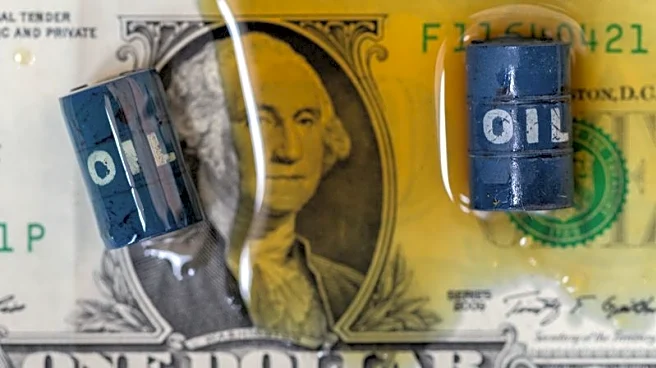
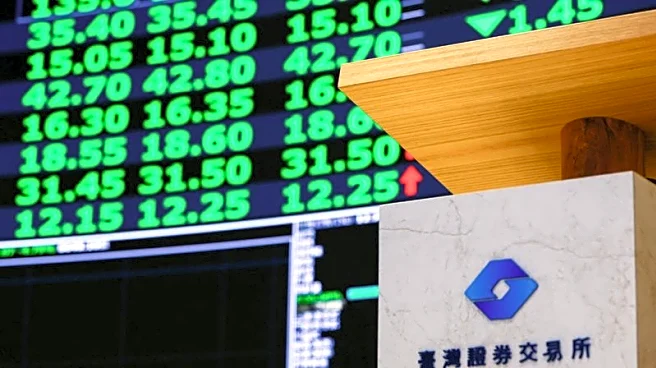
has surpassed $100 per barrel. The S&P 500 futures have fallen more than 2% in Asian trading, and the VIX has reached its highest level since April's tariff turmoil. The U.S. economy is currently navigating between the pressures of rising inflation and unemployment, reminiscent of the 1990 Gulf War scenario. Despite the U.S. market's relative insulation due to energy self-sufficiency, the recent drop in futures suggests this buffer is weakening.
Why It's Important?
The potential for a U.S. market meltdown has significant implications for investors and the broader economy. A meltdown could lead to a widespread withdrawal from risk assets, affecting equities and cryptocurrencies like Bitcoin, which has historically mirrored equity movements during risk-off periods. The Federal Reserve faces a challenging environment as it balances inflation control with job market support. The situation could lead to increased volatility in financial markets, impacting investment strategies and economic stability. The rising oil prices and economic uncertainties also raise fears of stagflation, a scenario of stagnant growth coupled with high inflation, which could have long-term effects on economic policy and consumer confidence.
What's Next?
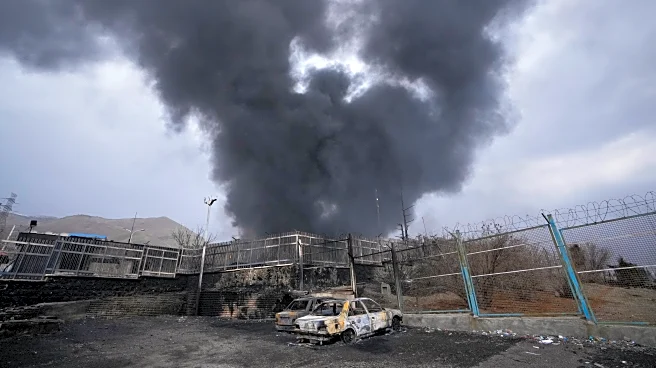
If the oil shock persists, the Federal Reserve may need to adjust its monetary policy to address the dual challenges of inflation and unemployment. Investors might continue to shift towards safer assets like cash and Treasuries, potentially leading to further declines in riskier markets. The situation requires close monitoring of geopolitical developments, particularly in the Middle East, as they could further influence oil prices and market dynamics. Stakeholders, including policymakers and financial institutions, will need to prepare for potential market disruptions and consider strategies to mitigate economic impacts.