

What's Happening?
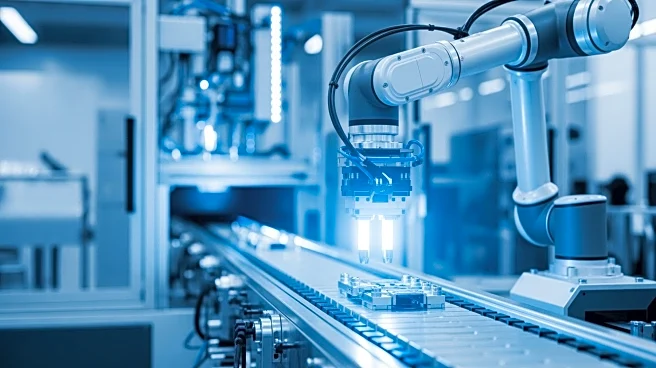
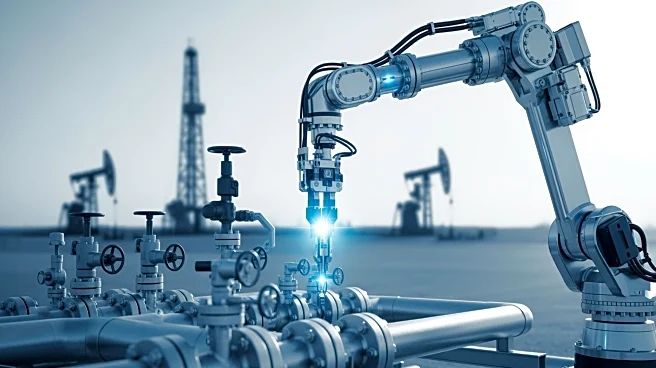
The manufacturing sector is exploring the integration of artificial intelligence (AI) to enhance productivity and address staffing shortages. AI can improve efficiency in production planning, logistics, inventory management, and machine maintenance. Despite
its potential, European manufacturers lag behind other sectors in AI adoption, with significant variation across countries. The technology requires a strategic vision from executives and a commitment to building knowledge among employees. AI can automate routine tasks, allowing staff to focus on product development and process innovation.
Why It's Important?
AI's integration into manufacturing could significantly boost productivity and competitiveness, especially in the face of chronic staff shortages. By automating less competitive and unpopular tasks, AI allows companies to optimize their workforce and focus on high-value activities. This shift could lead to more efficient production processes, higher quality outputs, and reduced operational costs. As manufacturers adopt AI, they may gain a competitive edge, influencing industry standards and practices. The successful implementation of AI could also mitigate concerns about job losses by creating new roles focused on AI management and innovation.
Beyond the Headlines
The adoption of AI in manufacturing raises ethical and cultural considerations, particularly regarding employee resistance to change and concerns about job security. Companies must address these issues through transparent communication and training programs. Additionally, the integration of AI requires robust data infrastructure and a commitment to digital transformation. As AI becomes more embedded in manufacturing processes, it could lead to long-term shifts in industry dynamics, including changes in workforce composition and the nature of manufacturing jobs.