



What's Happening?
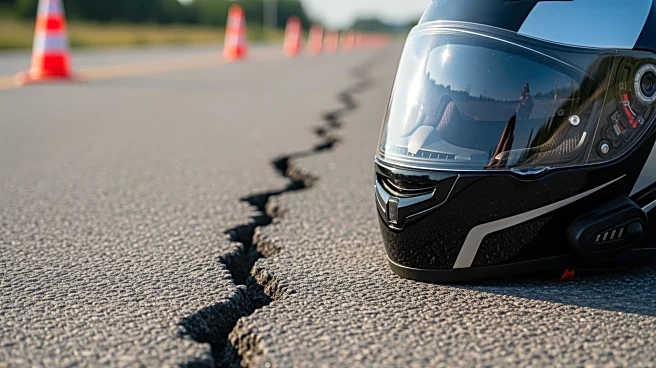
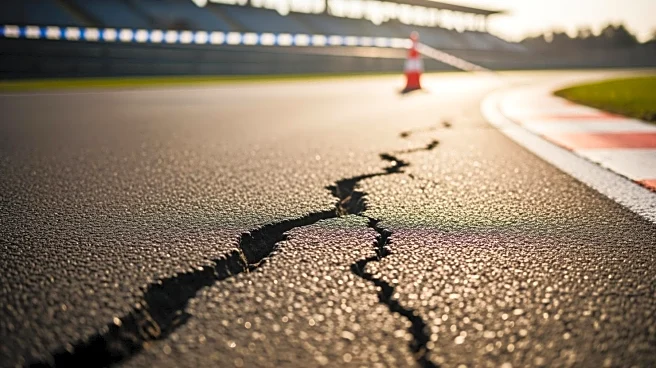
The Brazilian Grand Prix at Goiania, part of the MotoGP series, was unexpectedly shortened from 31 laps to 23 due to track surface damage. This decision was made just minutes before the race began, as riders reported issues with the track breaking up
in the Turns 11-12 sequence. Notable riders such as Marc Marquez and Joan Mir highlighted the problem during their sighting laps. The deteriorating track conditions led to stones being scattered, causing minor injuries to several riders. Despite the abrupt change, most riders agreed that the reduction in race distance was a necessary safety measure. However, the timing and communication of the decision were criticized, with some riders feeling disadvantaged by the lack of time to adjust their strategies or change tires.
Why It's Important?
The incident at the Brazilian Grand Prix underscores the critical importance of track safety and maintenance in high-speed motorsports. The sudden change in race conditions not only affected the competition but also highlighted potential organizational shortcomings in handling such situations. For the MotoGP series, ensuring rider safety while maintaining competitive integrity is paramount. The event also raises questions about the preparedness of venues to host international races, which can impact the reputation and future scheduling of events. Riders and teams may push for more stringent safety checks and better communication protocols to prevent similar issues in the future.
What's Next?
In response to the issues faced during the Brazilian Grand Prix, MotoGP organizers may need to reassess the track conditions at Goiania and potentially other venues. This could involve resurfacing problematic areas and implementing more rigorous pre-race inspections. Additionally, the communication protocols regarding race adjustments might be reviewed to ensure all teams receive timely information. The feedback from riders and teams could lead to changes in how race day decisions are communicated and executed, aiming to enhance safety and fairness in the sport.
Beyond the Headlines
The challenges faced during the Brazilian Grand Prix may prompt broader discussions about the sustainability and safety of motorsport events in regions with extreme weather conditions. The incident could lead to increased scrutiny of how climate and environmental factors are managed in the planning and execution of international racing events. This might also influence the future design and maintenance of racing circuits, with a focus on materials and technologies that can withstand diverse environmental stresses.