

What's Happening?
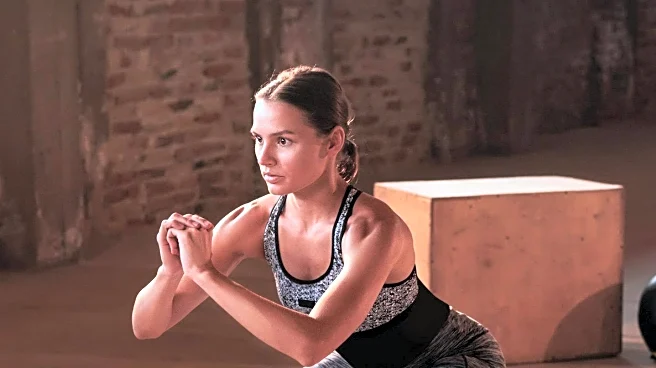
A physical therapist, Troy Hurst, has highlighted the importance of squats as a key exercise to support walking. According to Hurst, squats are a highly functional exercise that can strengthen the muscles used in walking, improve balance, stability, and hip mobility. He emphasizes that while many people are familiar with squats, few perform them with proper form. Hurst advises starting with basic bodyweight squats to master the movement pattern before progressing to weighted squats. He also notes that exercise programs should be tailored to individual strengths, weaknesses, and functional levels, suggesting that individuals consult a physical therapist for personalized recommendations.
Why It's Important?
Walking is a popular form of exercise that offers numerous
health benefits, including cardiovascular health, cognitive enhancement, and weight management. By incorporating squats into a fitness routine, individuals can enhance their walking performance and reduce the risk of injury. Squats help build the lower body strength necessary for walking longer distances and maintaining proper form. This advice is particularly relevant for those who rely on walking as their primary form of exercise, as it underscores the need for a comprehensive approach to fitness that includes both strengthening and stretching exercises.
What's Next?
Individuals interested in improving their walking performance may consider incorporating squats into their exercise routines. Consulting with a physical therapist can provide personalized guidance and ensure exercises are performed correctly to maximize benefits. As more people become aware of the importance of strength training in conjunction with aerobic activities like walking, fitness programs may increasingly emphasize a balanced approach that includes both types of exercises.
Beyond the Headlines
The recommendation to include squats in a walking routine highlights a broader trend in fitness towards functional exercises that mimic everyday movements. This approach not only improves physical performance but also enhances overall quality of life by making daily activities easier and reducing the risk of injury. As the fitness industry continues to evolve, there may be a growing emphasis on exercises that offer practical benefits beyond traditional gym workouts.