
What's Happening?
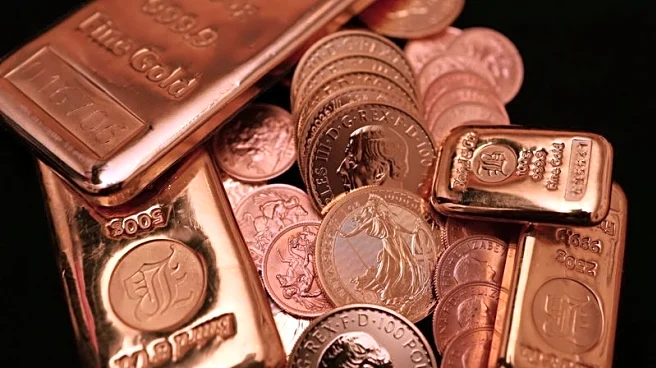
The jewelry industry is experiencing significant growth despite challenges such as rising gold and silver prices and the impact of U.S. tariffs. Major brands like Boucheron, Jessica McCormack, and Pomellato
are expanding their presence in the U.S. market, opening new flagship stores in key cities. The industry is also focusing on creating immersive experiences and cultural events to engage consumers and enhance brand value. Analysts note a shift in consumer behavior, with increasing interest in jewelry as an investment asset, traditionally dominated by watches. This trend is reshaping the market, with brands adapting their strategies to cater to both high-net-worth individuals and entry-level consumers.
Why It's Important?
The jewelry industry's resilience in the face of economic challenges highlights its adaptability and the enduring appeal of luxury goods. The sector's growth is driven by strategic investments in brand experiences and consumer engagement, positioning jewelry as both a cultural and financial asset. This shift could influence other luxury segments, prompting them to adopt similar strategies to attract and retain customers. The industry's ability to navigate economic fluctuations and changing consumer preferences underscores its potential for continued expansion and profitability.
What's Next?
As the jewelry industry continues to evolve, brands are likely to focus on enhancing their digital presence and leveraging technology to reach a broader audience. The ongoing rise in gold prices may prompt further innovation in product offerings and pricing strategies. Additionally, the industry's emphasis on cultural relevance and consumer experiences is expected to drive collaborations with artists and cultural institutions. The future of the jewelry market will depend on its ability to balance tradition with modernity, appealing to both established and emerging consumer segments.