



What's Happening?
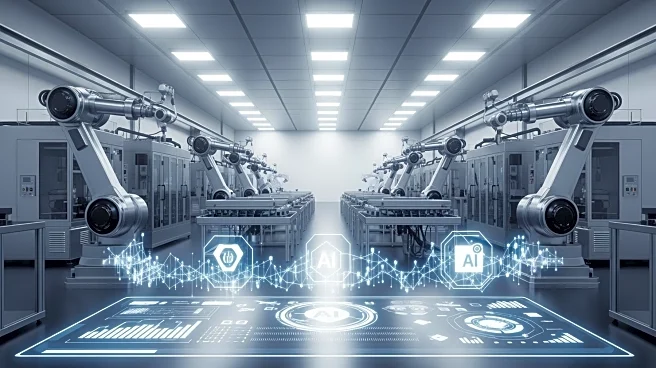
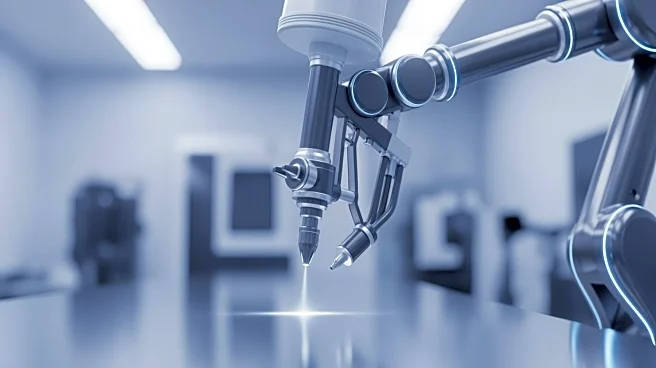
The global painting robots market is projected to undergo significant transformation from 2026 to 2035, according to a report by IndexBox. This shift is driven by persistent labor shortages in skilled finishing trades and increasing demands for quality
and consistency in manufacturing. The market is evolving from a traditional capital equipment model to a more integrated, service-oriented ecosystem. This change is characterized by a bifurcation into high-volume, cost-sensitive applications for industrial refurbishment and construction, and high-precision, quality-critical applications in premium manufacturing. The report highlights that the market's growth is not solely dependent on industrial output but is increasingly tied to the economic viability of automating complex tasks traditionally performed by skilled human labor. The demand for superior, repeatable finish quality, reduced material waste, and compliance with health and environmental standards are key drivers of this market evolution.
Why It's Important?
The transformation of the painting robots market has significant implications for various industries, particularly automotive, aerospace, and consumer electronics. As labor shortages persist, the adoption of painting robots can alleviate the pressure on manufacturers to find skilled workers, while also enhancing the quality and consistency of their products. This shift towards automation is expected to improve operational efficiency and reduce costs associated with labor and material waste. Additionally, the integration of advanced technologies such as vision systems and path planning software will enable manufacturers to meet stringent environmental regulations and improve worker safety by reducing exposure to hazardous environments. The market's growth is also expected to support the trend towards reshoring manufacturing operations, particularly in North America, where high labor costs and regulatory pressures are prevalent.
What's Next?
The painting robots market is expected to see continued growth as industries increasingly adopt automation to address labor shortages and quality demands. The automotive sector, in particular, will remain a key driver of demand, with a focus on flexible and sustainable solutions to accommodate the shift towards electric vehicles and mixed-model assembly. The aerospace industry will also see increased adoption of painting robots for precision and compliance in coating applications. As the market evolves, manufacturers will need to invest in advanced technologies and develop strategies to integrate these systems into existing production lines. The adoption of collaborative and mobile robots is expected to lower the barrier to entry for small and medium-sized enterprises, further driving market growth.
Beyond the Headlines
The shift towards a service-oriented ecosystem in the painting robots market highlights the growing importance of software and service models over traditional hardware sales. This evolution is expected to compress hardware margins and push profitability towards consumables, software licenses, and predictive maintenance contracts. Regulatory pressures around VOC emissions, worker safety, and data security for connected systems are raising barriers to entry, creating opportunities for differentiation among market participants. The integration of artificial intelligence for predictive maintenance and color-change optimization is also expected to play a crucial role in the market's development, enabling manufacturers to achieve superior finish quality and operational efficiency.