








What's Happening?
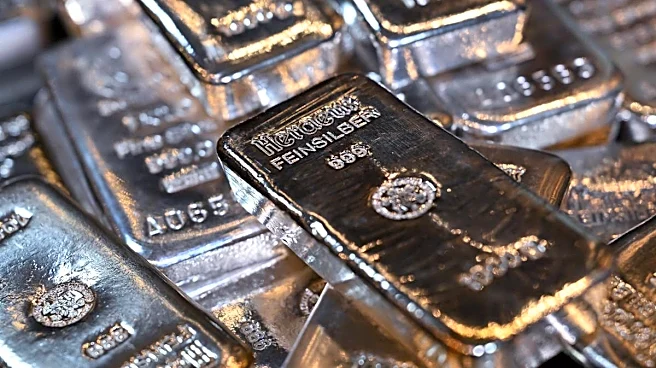
Gold prices have seen significant volatility this week, influenced by various factors including U.S. inflation data and geopolitical tensions in the Middle East. According to Kitco News, gold started the week at $4,327.46 per ounce, rising due to safe-haven
buying amid U.S.-Iran conflict concerns. However, the rally stalled as Iran signaled an end to military operations against Israel. Midweek, gold prices fell sharply following a rise in U.S. CPI and renewed Middle East fighting, hitting a low of $4,023.10 per ounce. Despite a late-week recovery, gold closed at $4,210.52 per ounce, marking another week of losses.
Why It's Important?
The fluctuations in gold prices reflect broader economic and geopolitical uncertainties. Rising inflation and potential Federal Reserve rate hikes could impact investor sentiment and market stability. The geopolitical tensions in the Middle East add another layer of complexity, affecting global oil prices and economic forecasts. These factors contribute to the unpredictability of gold as an investment, influencing decisions by traders and central banks. The situation underscores the interconnectedness of global events and their impact on financial markets, highlighting the need for strategic planning in investment portfolios.
What's Next?
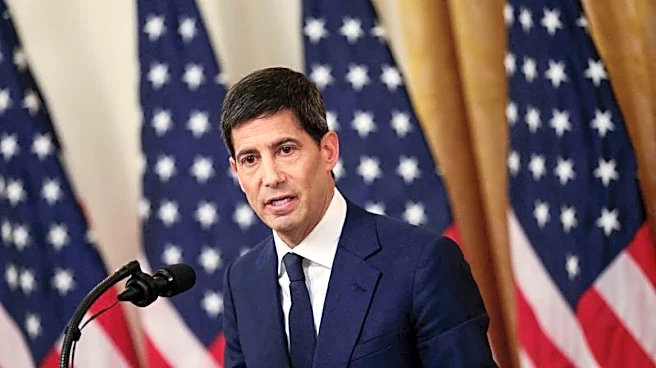
Next week, central banks will be in focus, with the Federal Reserve's monetary policy decision and incoming chair Kevin Warsh's first FOMC meeting. Traders will also monitor key economic data, including retail sales and housing starts. The geopolitical situation in the Middle East remains a critical factor, with potential developments in U.S.-Iran relations influencing market dynamics. Analysts predict continued volatility in gold prices, with potential for both declines and rebounds depending on economic indicators and geopolitical developments.