



What's Happening?
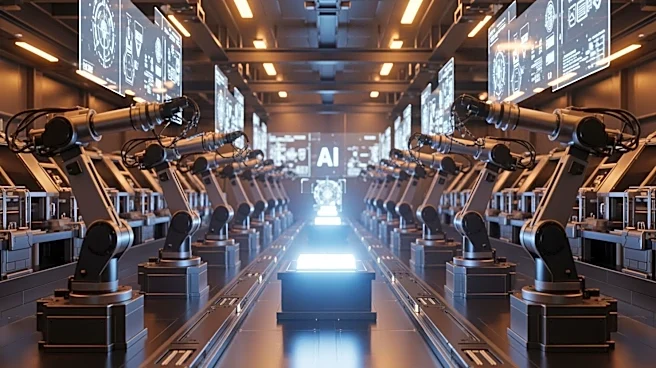
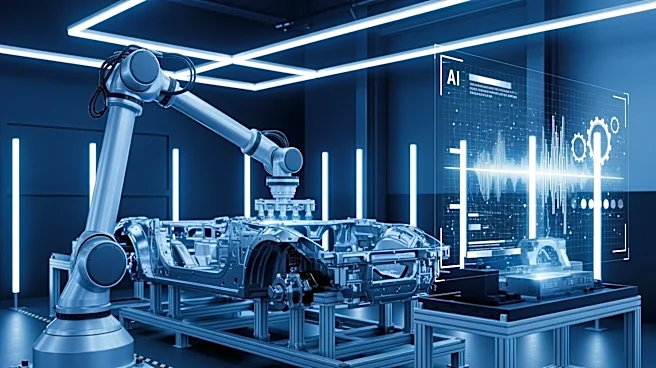
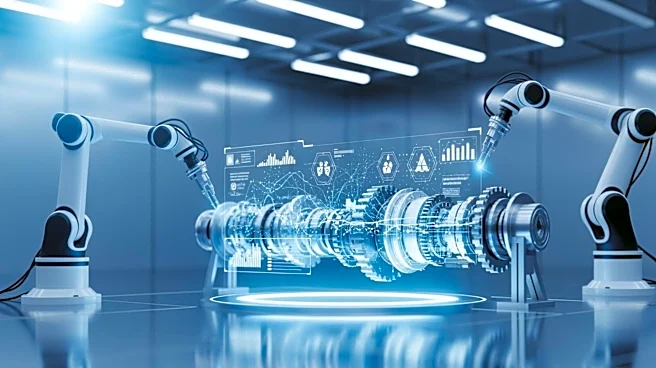
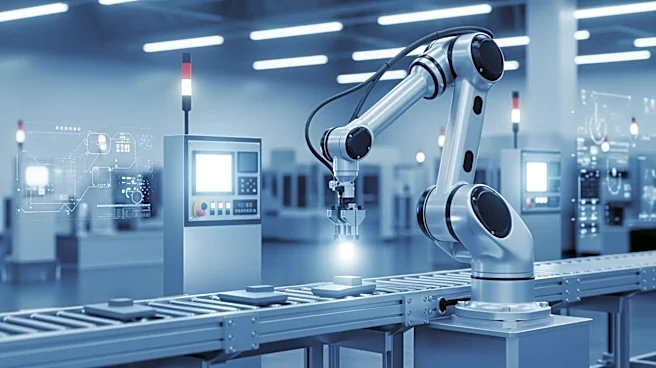
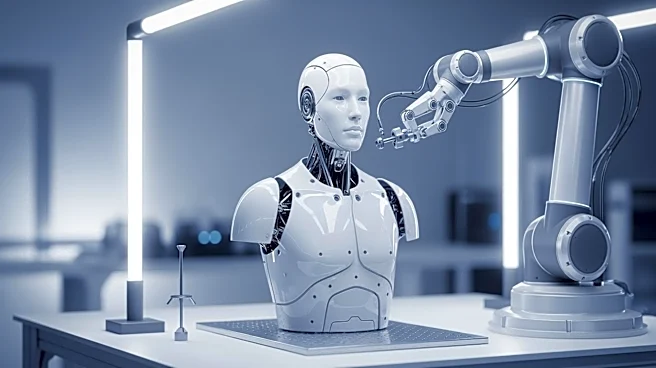
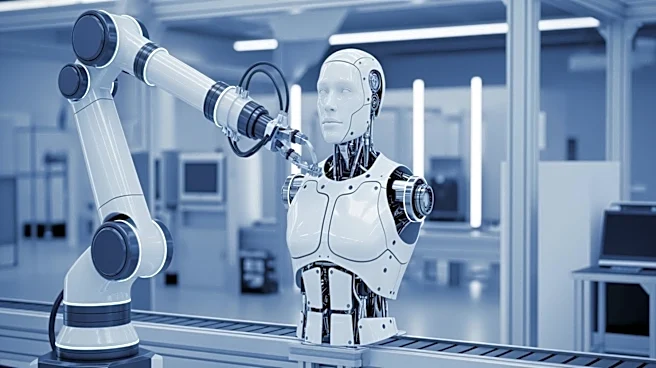
The integration of advanced robotics into factory settings is transforming traditional manufacturing processes. Historically, factories have relied on automation for repetitive tasks, but these systems often fail when faced with unexpected variables.
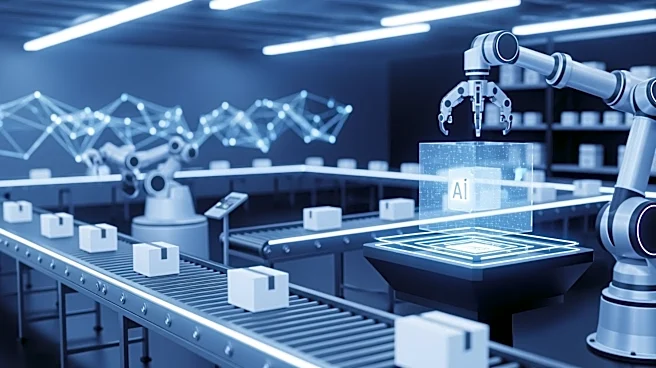
Recent advancements in robotics, particularly Vision-Language-Action models, are enabling machines to perceive and reason, moving beyond rigid, single-task operations. These models allow robots to interpret natural language commands and execute complex tasks, such as sorting items without pre-programming. However, the transition to these intelligent systems is not without challenges. The introduction of high-tech robots can create 'robotic islands,' where isolated efficiency leads to bottlenecks in other parts of the production line. This phenomenon is evident in logistics operations, where improvements in one area can cause disruptions elsewhere. To address these issues, factories must redesign their layouts to accommodate both human and robotic workers, creating hybrid spaces where machines handle heavy tasks and humans manage intricate operations.
Why It's Important?
The shift towards more intelligent robotics in manufacturing has significant implications for the industry. As factories adopt these technologies, they can potentially increase efficiency and reduce human error. However, the transition requires substantial changes in factory design and workforce roles. Workers are evolving from manual laborers to system overseers, responsible for training models and managing complex scenarios. This shift highlights the enduring value of human insight in manufacturing, even as machines become more capable. The successful integration of robotics could lead to more competitive manufacturing processes, but it also necessitates careful planning to avoid inefficiencies and ensure safety. The broader impact on the economy includes potential job displacement, but also the creation of new roles focused on managing and optimizing robotic systems.
What's Next?
As factories continue to integrate advanced robotics, the focus will likely shift towards optimizing these systems to work seamlessly with human workers. This may involve redesigning factory floors to better accommodate collaborative robots (cobots) and developing training programs for workers to manage and interact with these new technologies. Additionally, ongoing research and development in robotics will aim to address current limitations, such as the 'simulation-to-reality gap,' where robots trained in virtual environments struggle in real-world settings. Companies will need to invest in high-quality data and simulations to improve robot performance. The evolution of factory automation will also require regulatory frameworks to ensure safety and efficiency, as well as strategies to mitigate potential job losses through retraining and upskilling initiatives.
Beyond the Headlines
The integration of robotics in manufacturing raises ethical and cultural questions about the future of work. As machines take on more tasks, the role of human workers will change, potentially leading to job displacement and economic inequality. There is also the question of how to balance efficiency with the need for human oversight and decision-making. The cultural shift towards a more automated workforce may require new educational paradigms to prepare future generations for roles in managing and optimizing robotic systems. Additionally, the environmental impact of increased automation, such as energy consumption and electronic waste, will need to be addressed to ensure sustainable manufacturing practices.