




What's Happening?
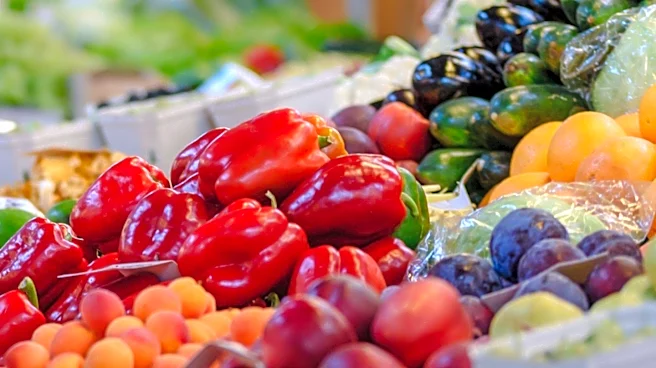
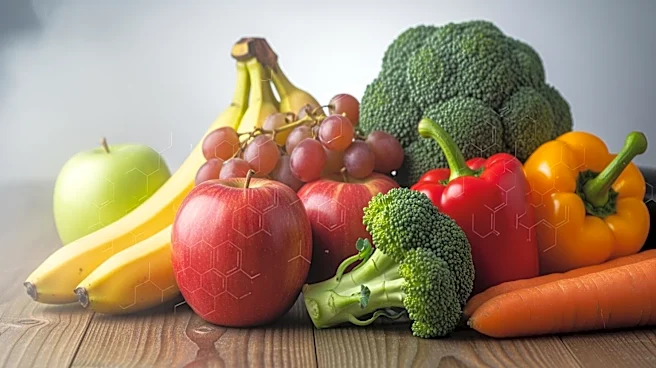
The Environmental Working Group (EWG) has released its annual Dirty Dozen list, identifying conventionally grown produce most likely to be contaminated with pesticides. This year's list includes spring staples such as strawberries and spinach, which are
recommended to be purchased organic to minimize pesticide exposure. The EWG also provides a Clean Fifteen list, highlighting produce with minimal pesticide contamination, allowing consumers to make informed choices and potentially save money by purchasing conventional versions of these items. The guide aims to help consumers navigate the complexities of pesticide exposure while shopping for spring produce.
Why It's Important?
Understanding which produce items are most likely to be contaminated with pesticides is crucial for consumers aiming to reduce their exposure to harmful chemicals. The EWG's lists provide a practical tool for making informed decisions about when to invest in organic produce. This is particularly important for families with children, as certain pesticides have been linked to health issues such as ADHD. By prioritizing organic purchases for high-risk items, consumers can protect their health while also managing their grocery budgets effectively.
What's Next?
As consumers become more aware of pesticide risks, there may be increased demand for organic produce, potentially influencing farming practices and market offerings. Retailers and farmers might respond by expanding organic options and improving transparency about pesticide use. Additionally, ongoing research and updates to the EWG's lists will continue to guide consumer choices and potentially drive policy changes regarding pesticide regulations.