


What's Happening?
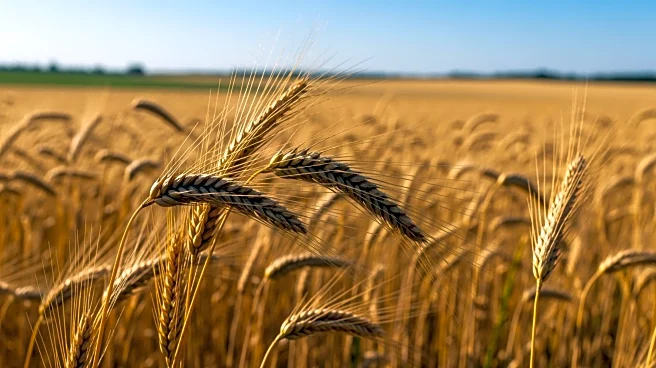
According to Paul Makube, Senior Agricultural Economist at FNB Commercial, the agriculture sector is set for robust growth in 2026, driven by favorable production conditions, moderated input costs, and strong export demand. The sector benefits from La Niña weather patterns, which have improved soil moisture and water reservoir levels, reducing irrigation costs. Farmers have increased crop plantings, anticipating a bumper harvest. Input costs have moderated, particularly in the livestock industry, due to lower feed prices. Despite challenges like Foot-and-Mouth Disease, the Department of Agriculture's national vaccination strategy aims to stabilize the industry. Export demand remains strong, with significant contributions from Africa, Asia, and the EU.
Why It's Important?
The anticipated growth in agriculture is crucial for the U.S. economy, as it supports GDP growth and enhances the agricultural value chain. The sector's resilience amid global trade dynamics and disease management challenges highlights its strategic importance. The positive outlook is bolstered by improved logistics and trade negotiations, which could further enhance export performance. The sector's growth also supports rural economies and employment, contributing to broader economic stability. The focus on biosecurity and technological investments underscores the sector's commitment to sustainable and resilient practices, ensuring long-term viability.
What's Next?
The agriculture sector is expected to continue its positive trajectory, supported by ongoing trade negotiations and technological advancements. The focus on biosecurity measures, such as the national FMD vaccination strategy, aims to mitigate disease risks and stabilize the industry. Continued investment in infrastructure and logistics will enhance export capabilities, while favorable weather conditions are expected to sustain crop yields. The sector's growth prospects are further supported by rising confidence indices, indicating strong economic activity and demand. However, stakeholders must remain vigilant to manage potential risks, including global trade dynamics and disease outbreaks.