






What's Happening?
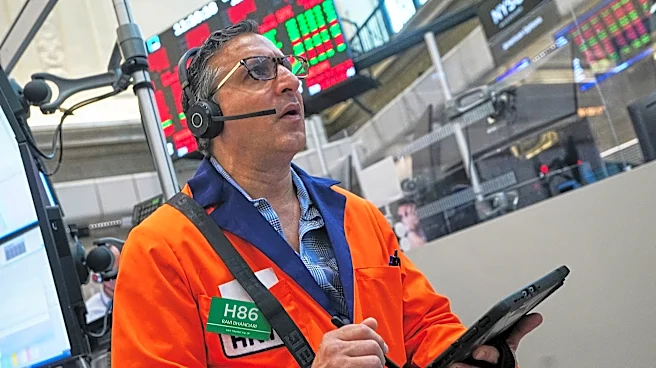
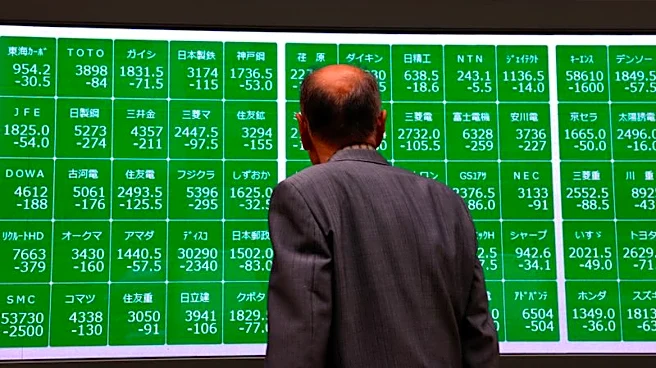
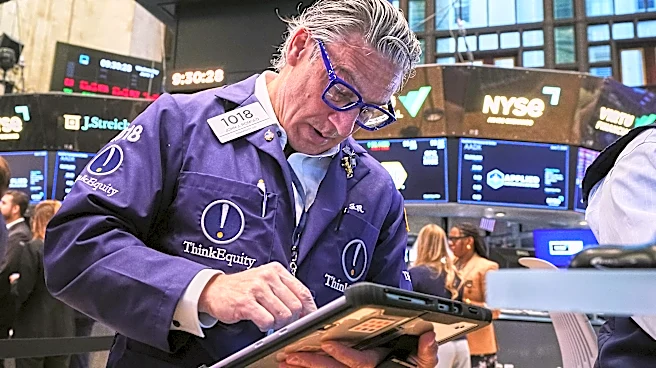
The ongoing conflict in the Middle East, now reaching its 100th day, has significantly impacted global markets, with the U.S. economy showing resilience despite the turmoil. The war has led to volatility across various asset classes, with initial sell-offs
in global stocks. However, Wall Street has rebounded, with the S&P 500 reaching new highs. This recovery is attributed to optimism about artificial intelligence investments and the U.S.'s relative energy self-sufficiency. Despite the conflict, bond yields have surged, reflecting investor concerns about inflation and hawkish monetary policies. The yield on the 30-year U.S. Treasury has reached its highest level since before the Financial Crisis. Oil prices, although lower than their wartime peaks, remain significantly elevated due to the blockade of the Strait of Hormuz, a critical oil shipping route. This has led to supply constraints and increased U.S. crude exports.
Why It's Important?
The conflict's impact on the U.S. economy highlights the interconnectedness of global markets and the potential for geopolitical events to influence domestic economic conditions. The resilience of U.S. markets, particularly the stock market, underscores investor confidence in the country's economic fundamentals and the potential of emerging technologies like AI. However, the elevated bond yields and persistent inflationary pressures pose challenges. Higher inflation could lead to increased costs for consumers and businesses, potentially slowing economic growth. The situation also emphasizes the importance of energy security and the risks associated with geopolitical tensions in key oil-producing regions. The ongoing conflict and its economic repercussions could influence U.S. monetary policy, with the Federal Reserve potentially adjusting interest rates in response to inflationary trends.
What's Next?
As the conflict continues, the focus will be on diplomatic efforts to achieve a lasting peace. The reopening of the Strait of Hormuz is crucial to alleviating supply constraints and reducing inflationary pressures. Investors will closely monitor developments in the Middle East and their impact on global energy markets. The Federal Reserve's response to inflation data will also be pivotal, as it could influence interest rate decisions and broader economic policy. Additionally, the performance of U.S. markets will depend on the balance between geopolitical risks and the potential for technological advancements to drive economic growth.