





What's Happening?
The Big 12 Conference has become the first Power Four conference to have all its members agree to participate in the College Sports Commission (CSC) initiative. This agreement involves signing a participation document that waives the schools' rights to file
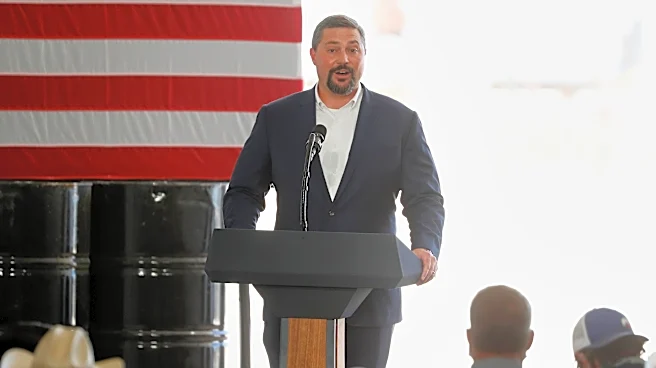
lawsuits against the CSC, allowing the agency to enforce rules regarding name, image, and likeness (NIL) payments. The CSC, a relatively new entity, has already facilitated over 26,000 NIL deals worth approximately $242.3 million. The Big 12's decision to sign this agreement reflects its commitment to establishing clear rules and enforcement mechanisms in the evolving landscape of college sports. The conference's commissioner, Brett Yormark, emphasized the importance of leadership in this area, while Kansas State's president, Richard Linton, confirmed unanimous support from the Big 12 board of directors.
Why It's Important?
This development is pivotal as it sets a precedent for other conferences in managing NIL agreements, which have become a significant aspect of college athletics. By leading in this initiative, the Big 12 positions itself as a proactive force in ensuring fair and regulated compensation for athletes. This move could influence other conferences to follow suit, potentially leading to a more standardized approach across college sports. The agreement also highlights the growing importance of NIL deals in the financial landscape of college athletics, impacting how athletes are compensated and how schools manage these agreements.
What's Next?
The Big 12's agreement with the CSC is expected to be finalized with all signatures by early next week. This could prompt other Power Four conferences to expedite their own agreements with the CSC, fostering a more unified approach to NIL regulations. The CSC will likely continue to refine its processes and enforcement strategies, potentially influencing future policies and practices in college sports. Stakeholders, including athletes, schools, and sponsors, will be closely monitoring these developments to understand their implications on NIL deals and college sports governance.