
What's Happening?
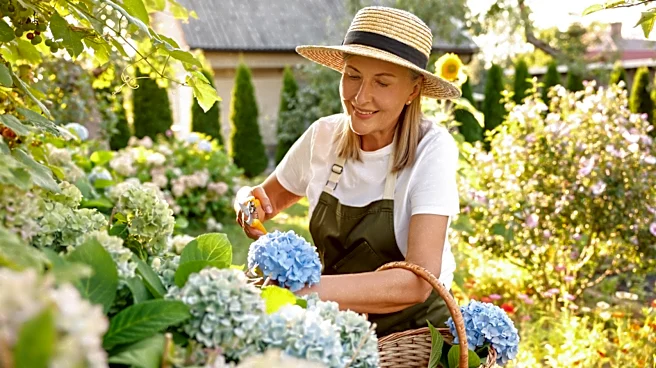
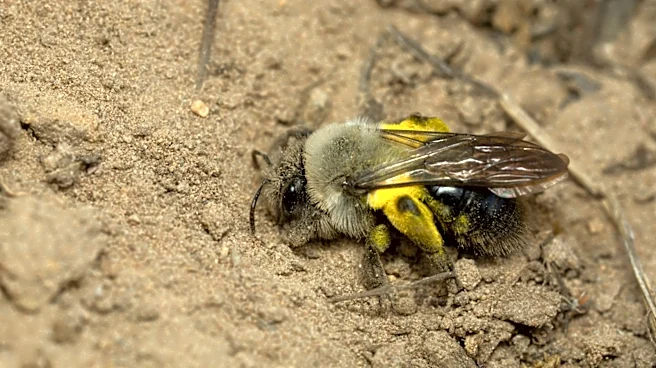
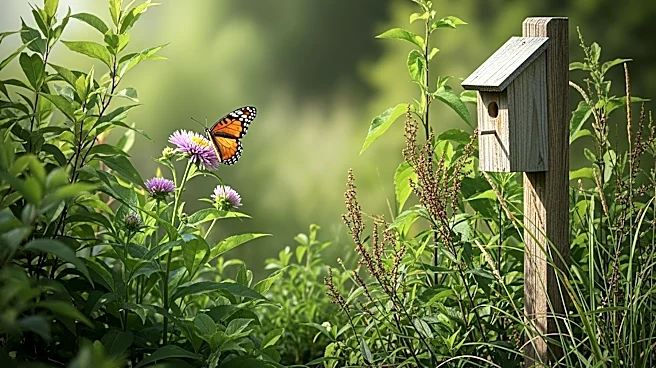
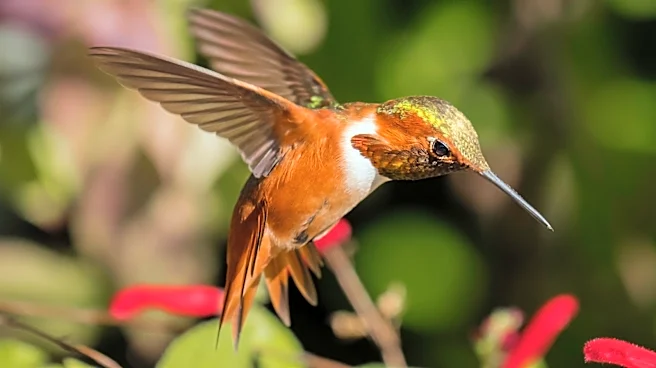
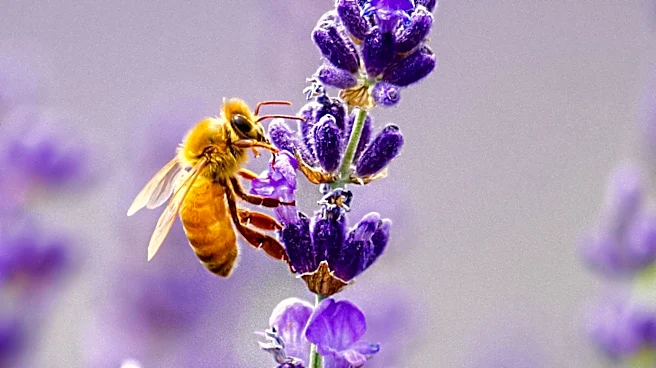
Pollinator gardens are becoming increasingly popular among home gardeners who aim to support local wildlife such as bees, butterflies, and hummingbirds. Sharon Yiesla, a plant knowledge specialist at The
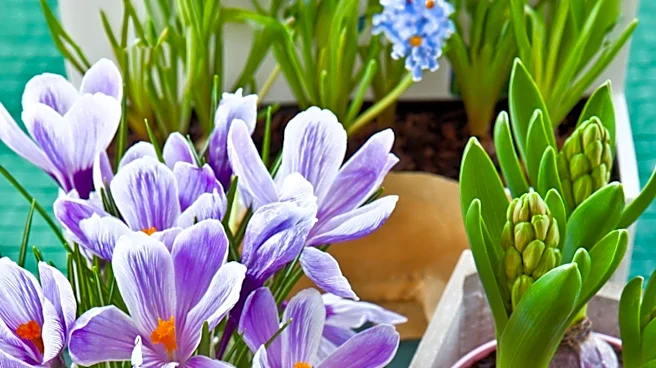
Morton Arboretum, emphasizes the importance of planting a variety of native and non-native plants that provide nectar and pollen throughout the growing season. These gardens not only attract pollinators but also contribute to biodiversity and ecological balance. Gardeners are encouraged to select plants that bloom at different times of the year to ensure a continuous food supply for pollinators. Additionally, providing water sources and avoiding pesticides are crucial practices for maintaining a healthy pollinator garden.
Why It's Important?
The rise of pollinator gardens reflects a growing awareness of the critical role pollinators play in ecosystems and food production. By creating habitats that support these species, gardeners contribute to the preservation of biodiversity and the health of the environment. This trend aligns with broader efforts to combat the decline of pollinator populations, which are essential for the pollination of many crops and wild plants. The movement towards sustainable gardening practices also highlights a shift in consumer preferences towards environmentally friendly and ecologically responsible living. As more individuals adopt these practices, there is potential for significant positive impacts on local ecosystems and agricultural productivity.
What's Next?
As interest in pollinator gardens continues to grow, educational initiatives and resources are likely to expand, providing gardeners with more information on how to create and maintain these habitats. Nurseries and garden centers may increase their offerings of native plants and pollinator-friendly products to meet consumer demand. Additionally, community programs and workshops could emerge to support gardeners in their efforts to contribute to local biodiversity. The trend may also influence urban planning and landscaping, with public spaces incorporating pollinator-friendly designs to enhance urban ecosystems and promote environmental stewardship.