





What's Happening?
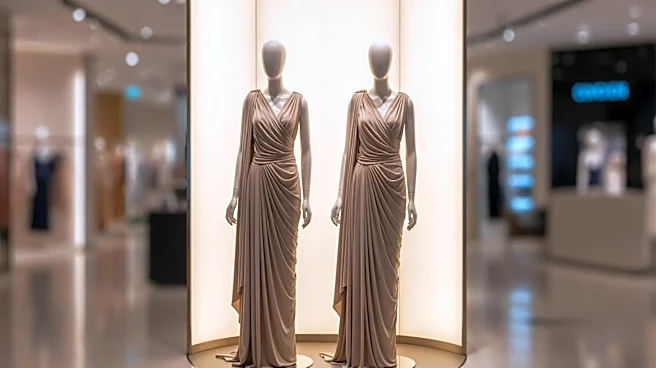
Retailers are increasingly focusing on the strategic use of mannequin displays to enhance the in-store shopping experience and drive sales. Mannequins serve as a critical tool in visual merchandising, helping to tell a brand's story and engage customers
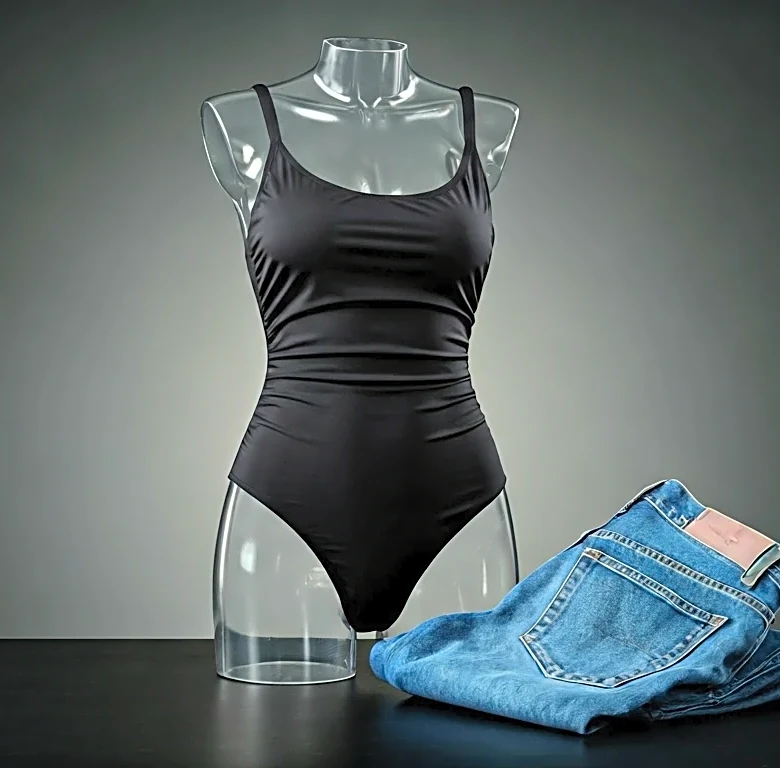
by allowing them to visualize how products fit into their lives. Experts like Kathlin Argiro, a New York-based dress designer, emphasize the importance of creating a special environment for customers, where they feel they receive individual attention. The choice between mannequins and body forms depends on the retailer's product, brand aesthetic, and budget. Mannequins, which mimic the human body, are often used to display athletic wear, while body forms are more generic and timeless, offering flexibility for smaller designers. The use of mannequins is not only about showcasing products but also about creating an immersive shopping experience that aligns with the brand's identity.
Why It's Important?
The strategic use of mannequins in retail is significant as it directly impacts consumer behavior and sales. By effectively displaying products, retailers can influence purchasing decisions and enhance the overall shopping experience. This approach is particularly important in an era where omnichannel shopping is prevalent, with customers researching online before making in-store purchases. Mannequins help bridge the gap between online and physical shopping by providing a tangible representation of products. Additionally, the choice of display tools can reflect a brand's identity and target customer base, making it crucial for retailers to align their visual merchandising strategies with their brand values and customer expectations. This can lead to increased customer satisfaction and loyalty, ultimately boosting sales and profitability.
What's Next?
Retailers are likely to continue investing in innovative visual merchandising techniques to stay competitive in the evolving retail landscape. As consumer expectations for personalized and immersive shopping experiences grow, retailers may explore new technologies and design concepts to enhance their displays. This could include the integration of digital elements with traditional displays to create interactive and engaging environments. Additionally, retailers may conduct more extensive research and data analysis to better understand customer preferences and tailor their merchandising strategies accordingly. The ongoing evolution of retail displays will likely focus on creating cohesive and memorable brand experiences that resonate with consumers both online and offline.
Beyond the Headlines
The use of mannequins and visual merchandising in retail extends beyond immediate sales impacts, touching on broader cultural and ethical considerations. As retailers strive to represent diverse body types and identities, the choice of mannequins can reflect societal values and inclusivity. This shift towards more inclusive displays can influence public perceptions and contribute to broader cultural conversations about representation in fashion and retail. Furthermore, the environmental impact of producing and disposing of mannequins is an emerging concern, prompting some retailers to explore sustainable materials and practices. As the industry evolves, these ethical and cultural dimensions will likely play a more prominent role in shaping visual merchandising strategies.