



What's Happening?
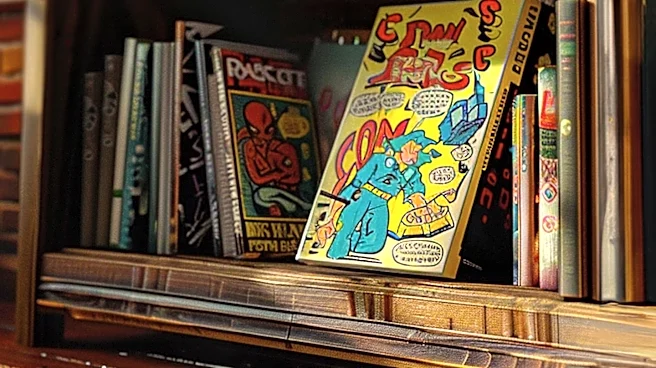
Yevgenia Nayberg, an illustrator and picture book creator, is making her solo graphic novel debut with 'Chernobyl, Life, and Other Disasters.' The memoir is set during the 1986 Chernobyl incident and follows Nayberg's experiences as an 11-year-old Jewish
girl preparing for an art school entrance exam in Kyiv. The nuclear accident forces her family to evacuate to Volgograd, where she continues to pursue her artistic dreams amidst the chaos. Nayberg discusses the challenges of writing in a foreign language and the importance of recreating the world as she remembers it, focusing on the intuitive nature of her art and the impact of memory on her storytelling.
Why It's Important?
Nayberg's graphic novel offers a unique perspective on the Chernobyl disaster, highlighting the personal and cultural impacts of historical events. Her work contributes to the broader understanding of how memory shapes narratives and artistic expression. By sharing her story, Nayberg provides insight into the experiences of those affected by Chernobyl, adding depth to the historical record. The novel also emphasizes the importance of preserving cultural heritage and personal histories, particularly in the context of significant global events. Nayberg's approach to storytelling challenges conventional memoir writing, encouraging readers to consider the subjective nature of memory and its role in shaping identity.
What's Next?
As Nayberg's graphic novel is released, it may spark discussions about the representation of historical events in literature and art. Readers and critics might explore the balance between personal memory and historical accuracy, considering how individual experiences contribute to collective understanding. The novel could also inspire other artists and writers to explore similar themes, using creative mediums to convey complex historical narratives. Nayberg's work may lead to increased interest in graphic novels as a form of memoir, expanding the genre's reach and influence.
Beyond the Headlines
Nayberg's exploration of memory and art raises questions about the ethical responsibilities of artists in representing historical events. Her work challenges readers to consider the impact of personal narratives on collective memory and the ways in which art can serve as a tool for cultural preservation. The novel's focus on the Chernobyl disaster also highlights ongoing concerns about nuclear safety and environmental impacts, prompting reflection on the long-term consequences of such events. Nayberg's story underscores the importance of resilience and creativity in the face of adversity, offering a message of hope and perseverance.