







What's Happening?
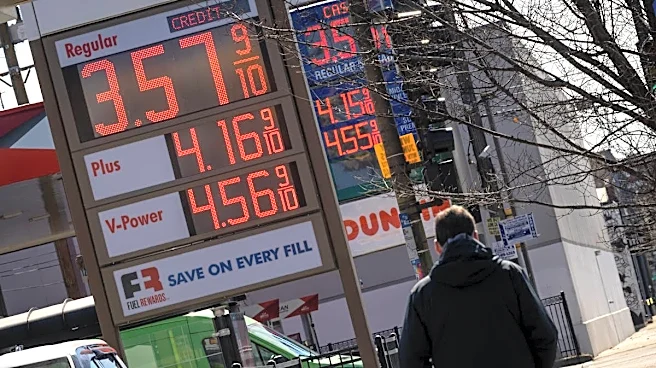
Inflation in the U.S. has reached 4.2% in May, marking the highest level since early 2023, driven primarily by a significant increase in energy prices following the conflict with Iran. The Bureau of Labor Statistics reported that energy costs accounted
for over 60% of the overall inflation rise. Oil prices have surged nearly 40% since the conflict began, affecting consumer prices across various sectors. The inflation rate has surpassed wage growth, which is currently at 3.4%, leading to decreased real earnings for American workers.
Why It's Important?
The rising inflation rate poses significant challenges for U.S. consumers, as essential goods such as gas, food, and medical care become more expensive. This economic pressure is compounded by stagnant wage growth, reducing purchasing power and potentially slowing economic recovery. The situation underscores the interconnectedness of global events and domestic economic conditions, highlighting the impact of geopolitical conflicts on everyday life. Additionally, proposed tariffs on imports from key trading partners could further exacerbate inflationary pressures, affecting a wide range of consumer goods.
What's Next?
As the conflict with Iran continues, energy prices are expected to remain volatile, potentially influencing broader inflation trends. The U.S. government and Federal Reserve may need to consider policy adjustments to address inflationary pressures and support economic stability. Consumers and businesses will likely face ongoing challenges as they navigate rising costs and supply chain disruptions. The situation may also prompt discussions on energy independence and alternative energy sources to mitigate future risks.