


What's Happening?
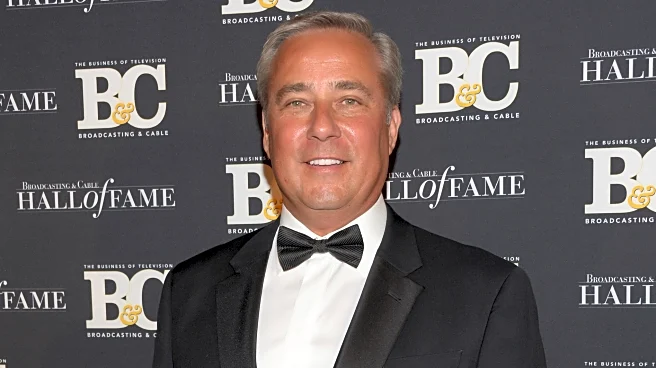
Tom Bernard, co-founder of Sony Pictures Classics, shared his experiences and insights on the evolution of the Sundance Film Festival. Initially conceived by Robert Redford in the early 1980s, Sundance was intended to support the independent film scene by providing a platform for filmmakers to learn and showcase their work. Bernard recalls the early days of the festival, where industry veterans like Sydney Pollack and László Kovács taught aspiring filmmakers the craft of movie-making. The festival, originally a small gathering, has grown significantly, transforming Park City, Utah, into a bustling hub for filmmakers and industry professionals. Bernard notes the changes in the festival's atmosphere and the challenges faced by independent filmmakers as the event
became more commercialized and expensive.
Why It's Important?
The Sundance Film Festival has played a crucial role in shaping the independent film industry in the United States. By providing a platform for new voices and innovative storytelling, Sundance has helped launch the careers of numerous filmmakers and brought attention to films that might otherwise have been overlooked. The festival's growth reflects broader trends in the film industry, where independent films have gained increased recognition and commercial success. However, the commercialization of Sundance also highlights challenges for independent filmmakers, who may struggle to afford participation in such high-profile events. This evolution raises questions about accessibility and the future of independent cinema in an increasingly competitive market.
What's Next?
As Sundance continues to evolve, there is a growing emphasis on adapting to technological advancements and changing audience preferences. The festival may explore new ways to support independent filmmakers, such as virtual screenings or partnerships with streaming platforms, to ensure that diverse voices continue to be heard. Additionally, there is potential for Sundance to expand its educational initiatives, fostering a new generation of filmmakers who can navigate the complexities of the modern film industry. The festival's future will likely involve balancing its roots in independent cinema with the demands of a globalized and digitalized entertainment landscape.
Beyond the Headlines
The transformation of Sundance from a small, intimate gathering to a major industry event reflects broader cultural shifts in how films are produced, distributed, and consumed. The festival's history underscores the importance of community and mentorship in the arts, as well as the impact of economic factors on creative expression. As Sundance adapts to new realities, it may serve as a model for other cultural institutions seeking to remain relevant in a rapidly changing world. The festival's ongoing commitment to innovation and inclusivity will be key to its continued success and influence.