
What's Happening?
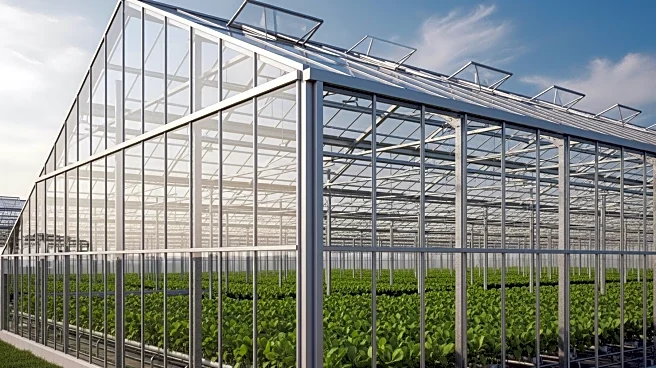
The establishment of a greenhouse manufacturing plant is being positioned as a strategic investment in the controlled-environment agriculture sector. This initiative is driven by the increasing global demand for protected cultivation techniques, which
are essential for enhancing food security and supporting sustainable agricultural practices. The greenhouse industry is experiencing significant growth, fueled by technological advancements such as automated irrigation and climate control systems. These innovations are crucial for optimizing plant growth conditions and ensuring year-round crop production. The market analysis by IMARC Group highlights that Europe held a major share of the global greenhouse market in 2025, indicating a strong demand for these systems. The report also notes that the greenhouse manufacturing facility is designed to produce between 1,500 to 5,000 units annually, catering to diverse market segments including commercial agriculture, horticulture, and research institutions.
Why It's Important?
The development of greenhouse manufacturing plants is critical for addressing global food security challenges. As urbanization increases and arable land decreases, controlled-environment agriculture becomes vital for ensuring a stable food supply. Greenhouses allow for the cultivation of high-value crops and exotic plants, which can command premium prices in the market. Additionally, these structures provide resilience against climate change by protecting crops from extreme weather conditions. The integration of IoT-based monitoring and smart climate control systems further enhances productivity and resource efficiency, making greenhouses an attractive investment for stakeholders in the agricultural sector. The financial viability of greenhouse manufacturing is underscored by healthy profit margins and a strong return on investment potential, driven by stable demand and government support for modern farming practices.
What's Next?
The greenhouse industry is poised for continued growth as governments worldwide promote sustainable agricultural practices and provide subsidies for greenhouse installations. The adoption of precision farming technologies is expected to increase, further driving demand for advanced greenhouse systems. As the industry expands, manufacturers will likely focus on enhancing production capacities and integrating cutting-edge technologies to meet the evolving needs of the agricultural sector. The ongoing urbanization and rising food demand will continue to propel the adoption of greenhouse solutions, ensuring consistent crop production and supporting global food security initiatives.
Beyond the Headlines
The rise of greenhouse manufacturing plants represents a significant shift towards sustainable agriculture and food production. This development not only addresses immediate food security concerns but also contributes to long-term environmental sustainability by reducing the reliance on open-field cultivation, which is more susceptible to climate-related risks. The emphasis on precision farming and resource efficiency aligns with global efforts to combat climate change and promote responsible agricultural practices. As the industry evolves, it will likely play a pivotal role in shaping the future of food production and distribution, with implications for global trade and economic stability.