






What's Happening?
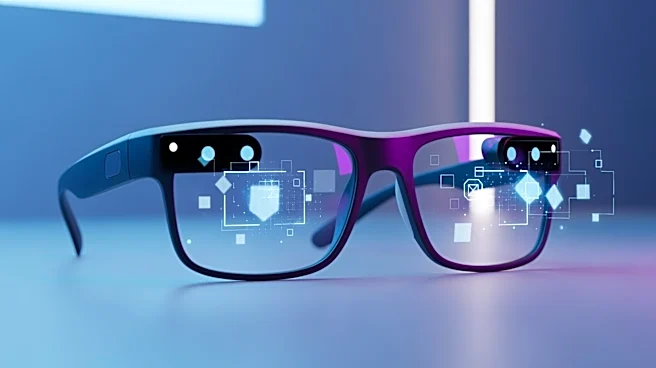
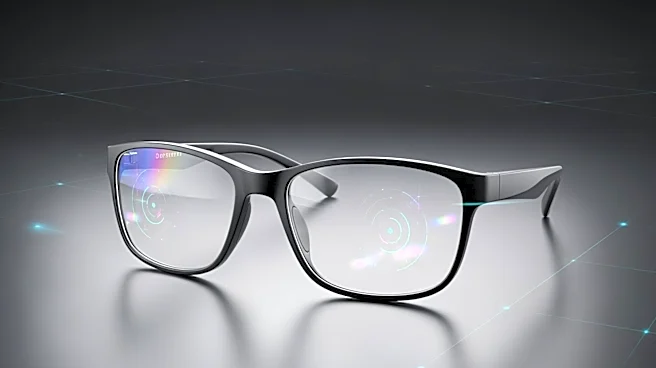
The augmented reality (AR) industry is experiencing significant advancements in 2026, with major tech companies like Google and Meta leading the charge. Google has introduced AI-powered smart glasses that prioritize audio and subtle overlays, while Meta has expanded
its Ray-Ban smart glasses line to include prescription options. These developments are making AR more accessible and practical for everyday use. Additionally, platforms like Snap are enhancing AR creation tools, enabling more users to create and publish AR experiences. These innovations are expected to drive faster trends and increase commerce opportunities within AR applications.
Why It's Important?
The rapid evolution of AR technology is poised to reshape consumer experiences and business operations. By making AR more practical and accessible, companies are opening new avenues for interactive and immersive experiences in various sectors, including retail, entertainment, and education. The integration of AR into daily life could lead to increased consumer engagement and new business models. As AR technology continues to mature, it will likely influence the development of related technologies, such as AI and IoT, further transforming the tech landscape.
What's Next?
As AR technology becomes more mainstream, companies will need to address privacy and ethical concerns related to data collection and usage. Regulatory frameworks may need to evolve to ensure consumer protection and data security. Additionally, the focus on enterprise AR use cases is expected to grow, with applications in training, logistics, and field services offering clear returns on investment. The continued development of AR technology will likely lead to new partnerships and collaborations across industries, driving further innovation and adoption.