



What's Happening?
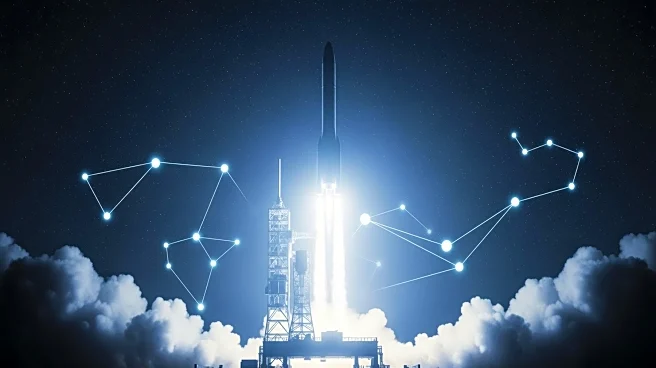
SpaceX is set to launch 29 Starlink satellites into low-Earth orbit from NASA's Kennedy Space Center. The launch is scheduled for December 8 at 5:26 p.m. and will be streamed live. This mission marks the 32nd flight for the Falcon 9 first stage booster, which has been used in multiple previous missions. The Starlink project aims to provide high-speed internet access globally, including in remote areas. The satellites will be deployed approximately an hour after launch, and the first stage of the rocket will land on the 'Just Read the Instructions' droneship in the Atlantic Ocean.
Why It's Important?
This launch is part of SpaceX's broader strategy to build a comprehensive satellite network that offers global internet coverage. The ability to provide high-speed internet in remote
and underserved regions can have significant social and economic impacts, enabling better access to information, education, and communication. The use of reusable rockets like the Falcon 9 also represents a major advancement in reducing the costs associated with space travel and satellite deployment. As SpaceX continues to expand its Starlink constellation, it could reshape the telecommunications landscape and drive innovation in internet services.
What's Next?
Following this launch, SpaceX plans additional Starlink missions on December 10 in California and December 11 in Florida. These missions will further expand the Starlink network, moving closer to the company's ambitious goal of deploying 42,000 satellites. As the network grows, SpaceX will likely focus on improving service quality and expanding coverage areas. The success of these missions could also lead to increased competition in the satellite internet market and influence regulatory policies related to space traffic and satellite operations.