






What's Happening?
Traders on prediction market platforms are forecasting that U.S. inflation could rise above 4.5% in 2026, with a significant chance of reaching 5%. This prediction comes as inflation in April hit 3.8%, the highest since May 2023, driven by a 40% increase
in energy costs due to the U.S.-Iran conflict and the closure of the Strait of Hormuz. Core inflation, excluding food and energy, also rose by 0.4% in April and 2.8% year-over-year. The conflict has led to a surge in oil prices, affecting consumer costs at the pump and contributing to broader inflationary pressures.
Why It's Important?
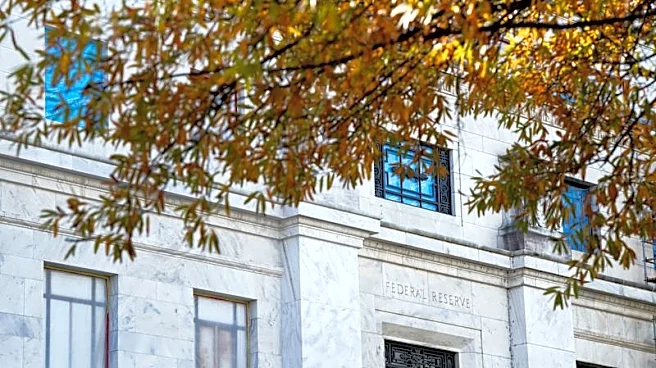
The potential rise in inflation to 5% could have significant implications for the U.S. economy, affecting consumer purchasing power and potentially leading to changes in monetary policy. Higher inflation rates can erode real wages, impacting household budgets and consumer spending. Businesses may face increased costs for materials and transportation, which could be passed on to consumers. The Federal Reserve may need to adjust interest rates to manage inflation, influencing borrowing costs and economic growth. The ongoing U.S.-Iran conflict and its impact on energy prices remain critical factors in the inflation outlook.
What's Next?
As the U.S.-Iran conflict continues, energy prices are likely to remain volatile, influencing inflation trends. The Federal Reserve and policymakers will need to monitor inflation closely and may consider interventions to stabilize prices. Traders and economists will watch for developments in the conflict and any potential resolutions that could alleviate pressure on energy markets. Additionally, consumer sentiment and spending patterns will be key indicators of how inflation is affecting the broader economy.