
What's Happening?
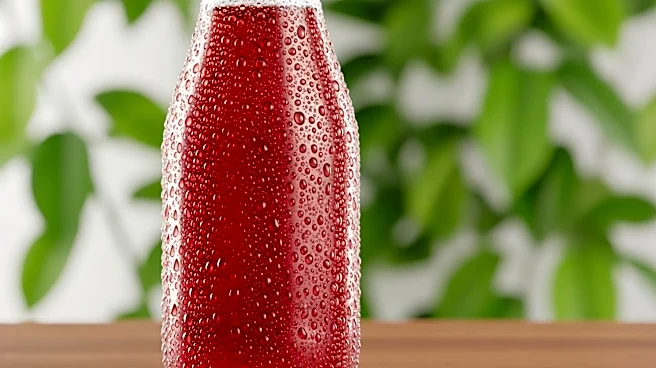
Non-alcoholic beverage brands are increasingly focusing on California as a key market for expansion. The state, known for its wellness culture, has become a significant hub for non-alcoholic drinks, with
off-premise sales reaching $128 million and growing by 20% from the previous year. Brands such as Hiyo, De Soi, and Best Day Brewing are either based in California or target its consumers. The 'cali-sober' movement, where individuals abstain from alcohol but may use marijuana, further supports the growth of non-alcoholic beverages, including those with hemp, CBD, or cannabis. Other states like Texas, Florida, Colorado, and Massachusetts also show significant market potential, collectively accounting for 37% of non-alcoholic beverage sales in the U.S.
Why It's Important?
The rise of non-alcoholic beverages reflects a broader shift in consumer preferences towards health and wellness. As more people seek alternatives to traditional alcoholic drinks, the market for non-alcoholic options is expanding rapidly. This trend presents significant opportunities for beverage companies to innovate and capture new consumer segments. The ability to sell directly to consumers, bypassing the traditional three-tier alcohol distribution system, gives non-alcoholic brands a competitive edge. This direct-to-consumer model allows for greater market penetration and the potential to build a loyal customer base nationwide.
What's Next?
Non-alcoholic beverage brands are likely to continue expanding their presence across the U.S., leveraging direct-to-consumer sales to reach a wider audience. As the market grows, companies may focus on developing new products that cater to diverse consumer tastes and preferences. The success of these brands in key states like California could serve as a model for expansion into other regions. Additionally, the integration of functional ingredients such as CBD and adaptogens may further differentiate non-alcoholic beverages and attract health-conscious consumers.