



What's Happening?
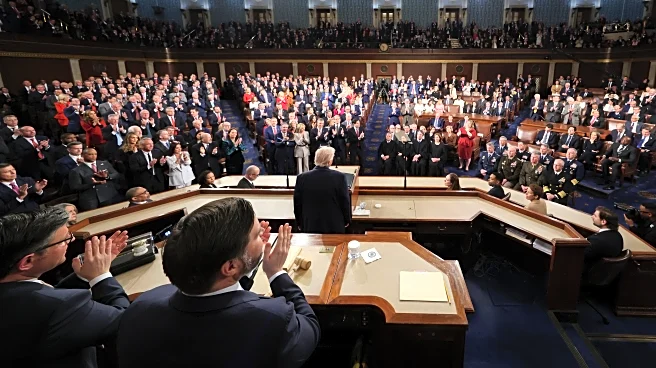
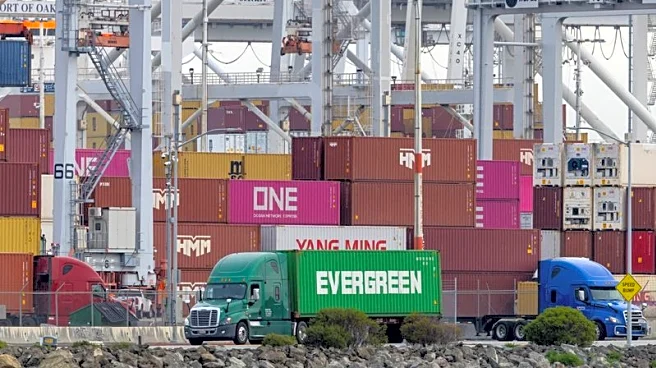
The logistics and supply chain sectors are experiencing significant changes in early 2026, driven by trade policy shifts and the integration of Artificial Intelligence (AI). A recent Supreme Court decision struck down the legality of President Trump's
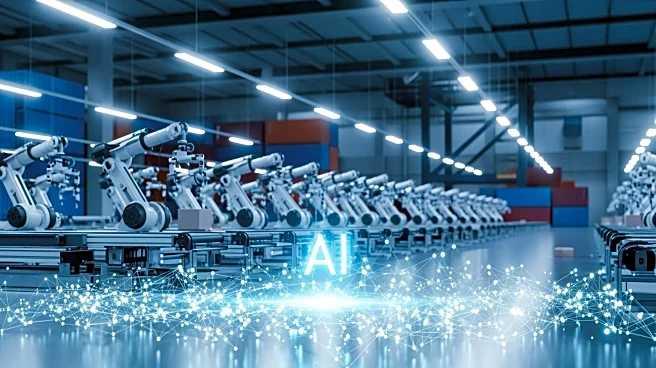
global IEEPA, impacting trade policies focused on U.S. trade imbalances and domestic manufacturing. Additionally, AI is increasingly influencing logistics operations, with industry leaders like C.H. Robinson adopting AI-driven workflows. The ongoing Union Pacific acquisition of Norfolk Southern and new safety regulations for commercial drivers are also shaping the industry landscape.
Why It's Important?
These developments highlight the dynamic nature of the logistics and supply chain sectors, which are crucial to the U.S. economy. The integration of AI promises to enhance efficiency and decision-making, potentially transforming traditional logistics operations. However, trade policy uncertainties and regulatory changes pose challenges that require strategic adaptation. The outcome of these changes will affect not only industry stakeholders but also consumers and businesses reliant on efficient supply chains.
What's Next?
The logistics industry will need to navigate the implications of the Supreme Court's decision and adapt to AI-driven changes. The completion of the Union Pacific and Norfolk Southern merger could reshape freight transportation, while new safety regulations may impact driver availability and operational costs. Stakeholders will likely focus on leveraging AI for competitive advantage while addressing regulatory and trade policy challenges.